2026 Shilajit Benefits: Energy, Vitality, and Mineral Support

Introduction
Shilajit occupies a distinct place in natural performance and wellness discussions because of its unusual composition and the long historical record of use in Ayurveda and the Himalaya. Interest typically centers on three domains—energy support, vitality and physical performance, and mineral replenishment—each of which connects back to the material’s complex matrix of humic substances, low–molecular-weight organics, and trace minerals. This article presents a structured, editorial evaluation of shilajit benefits, with emphasis on mechanisms frequently discussed in research contexts, cautious interpretation of early human data, and practical guidance on sourcing and verification. The intention is to help readers understand how composition and product quality relate to outcomes without resorting to inflated language or absolute claims.
Understanding Shilajit’s Composition and Why It Matters
Authentic shilajit is a natural exudate that accumulates in certain rock strata at high elevations. It contains humic substances—especially fulvic acid—alongside humic acid, dibenzo-α-pyrones(DBPs) and related phenolics, and a spectrum of mineral elements in ionic or chelated states. The relative proportions vary with geography and processing. Fulvic acid represents a low–molecular-weight fraction that can chelate and solubilize metals; humic acid contributes larger, more aromatic structures; and DBPs are small, redox-active molecules sometimes referenced in mitochondrial support hypotheses.
Peer-reviewed analyses reinforce two critical points for evaluating shilajit benefits. First, composition is variable and method-dependent, which cautions against universal quantitative claims. Second, modern spectrometric methods have characterized representative mineral content in authentic Himalayan materials with low or non-detectable levels of toxic heavy metals in tested specimens, although this cannot be generalized without batch-level testing. A recent analytical paper in ACS Omega reported alkaline pH and quantified elements such as potassium, calcium, magnesium, and sodium in a native Himalayan sample using MP-AES, while emphasizing the need for standardized assays across batches and regions. See the ACS Omega 2025 article, Chemical Analysis of Native Himalayan Shilajit, for method details and context. According to the ACS article titled Chemical Analysis of Native Himalayan Shilajit (2025), which is indexed in the open archive, the specimen’s alkaline matrix and element profile were validated by MP-AES and complementary spectroscopic techniques.
The following table illustrates how editorial articles can present mineral information in a restrained manner, using cautiously framed values from peer-reviewed methods rather than unverified marketing ranges. Values are illustrative of a characterized specimen; they are not universal guarantees and may vary with provenance and purification.
Element (example specimen) | Reported level (approx., ppm) | Method and notes |
Potassium (K) | ~21.9 | MP-AES; alkaline matrix; specimen-specific |
Calcium (Ca) | ~11.0 | MP-AES; specimen-specific |
Magnesium (Mg) | ~11.8 | MP-AES; specimen-specific |
Sodium (Na) | ~8.5 | MP-AES; specimen-specific |
Source: Chemical Analysis of Native Himalayan Shilajit, ACS Omega (2025). Open-access record: ACS Omega chemical analysis of native Himalayan shilajit; publisher page: ACS Omega article page.
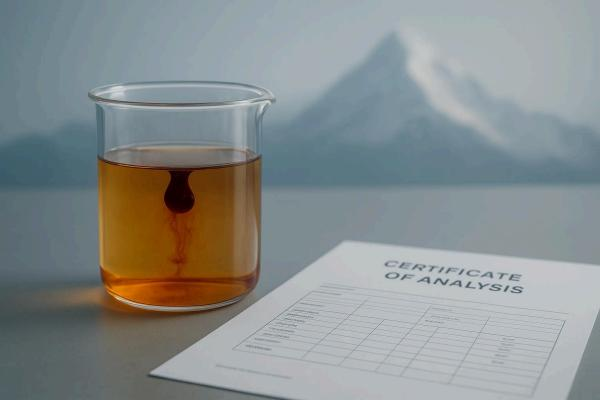
Beyond these major cations, authentic shilajit often contains small amounts of other trace elements. Claims of “85+ minerals” are common in marketing but are not consistently substantiated by standardized, peer-reviewed batch analytics. Serious buyers should look for Certificates of Analysis (CoAs) that specify analytical methods (e.g., ICP-MS) and show actual numbers for the batch they intend to purchase. At the same time, buyers need to let the seller offer test results of miners item content. You can check the Duoxiongla test results of miners. Reviews in recent years also underscore that composition varies by geography and processing, further supporting a provenance-aware approach to quality. For an overview of compositional variability across regions, see Kamgar and colleagues’ ion chromatography analysis of inorganic anions in raw shilajit (2025), which documents geographic differences without asserting elevation-specific causality: Inorganic anions in raw shilajit by region.
Energy Support: How Shilajit Is Linked to Cellular Function
Energy discussions focus on two related themes: hypotheses about how fulvic acid and small phenolics might influence mitochondrial bioenergetics and redox balance, and early human data on fatigue resistance and training adaptation. Mechanistic literature has proposed that fulvic acid can affect electron transport chain efficiency and mitochondrial membrane potential in certain experimental contexts. Small DBP-like molecules and phenolics are frequently cited for antioxidant and redox-modulating properties. A 2018 review on fulvic acid described context-dependent effects on respiration and reactive oxygen species, underscoring the need for careful translation from models to humans. See Winkler et al., Therapeutic Potential of Fulvic Acid in Chronic Inflammatory Diseases (2018): fulvic acid mechanisms and redox context.
Human studies are limited but offer structured signals relevant to energy and fatigue framing. A randomized, double-blind, placebo-controlled trial published in 2019 in the Journal of the International Society of Sports Nutrition evaluated 63 recreationally active men receiving purified shilajit for eight weeks. The higher-dose group (500 mg/day) displayed smaller declines in maximal isometric strength under a fatigue protocol in a predefined stronger subgroup and had lower baseline hydroxyproline, a marker associated with collagen turnover. The open-access article provides full methods and subgroup analyses: JISSN randomized trial on shilajit and fatigue-induced strength loss (2019).
An open-label, single-arm pilot published in 2026 evaluated 500 mg/day of shilajit resin over four weeks in healthy men and reported improved leg-press strength and reduced fatigue scores. The absence of a control arm limits interpretability; such studies are considered hypothesis-generating. See the Cureus report: Open-label pilot on shilajit resin and fatigue metrics (2026). Together with earlier human skeletal muscle transcriptomic work that suggested extracellular matrix remodeling with shilajit during training, the literature provides a plausible basis for cautious energy framing without asserting guaranteed effects. For transcriptomic context, see Das et al., Frontiers in Physiology (2016): Skeletal muscle transcriptome with oral shilajit and training. To maintain transparency, the key human studies cited in energy and fatigue contexts can be summarized concisely.
Study | Design and population | Dose and duration | Main outcomes reported | Editorial interpretation |
Keller et al., 2019, Journal of the International Society of Sports Nutrition | Randomized, double-blind, placebo-control led; 63 recreationally active men | 250 mg/day or 500 mg/day purified shilajit; 8 weeks | Attenuated fatigue-induced strength loss in stronger subgroup at 500 mg/day; lower baseline serum hydroxyproline | Signals support preservation of performance under fatigue in a defined context; short duration; male-only sample |
Das et al., 2016, Frontiers in Physiology | Non-randomize d human transcriptomic study with | 250 mg twice daily; 8 weeks alone then +4 weeks with | Upregulation of extracellular matrix and structural | Suggests biological adaptation support; not a |
The weight of evidence implies that shilajit may play a supportive role in contexts where fatigue and tissue stress are relevant, provided that the material is authentic and properly purified.
Shilajit Benefits for Vitality and Physical Performance
Vitality is a broad construct that spans stamina, perceived vigor, endocrine milieu, and training adaptation. Within this frame, the 2019 randomized controlled trial already discussed contributes a performance-adjacent signal (attenuation of strength decline under fatigue) in a defined subgroup and time frame. Separately, transcriptomic changes indicative of connective tissue and structural remodeling during a combined supplementation and exercise phase point to possible adaptation support; however, performance outcomes were not primary endpoints in that study.
A 2016 randomized, double-blind, placebo-controlled trial in healthy men reported increases in total and free testosterone and dehydroepiandrosterone sulfate after 90 days of purified shilajit at 250 mg twice daily. Endocrine changes of this nature are often discussed within vitality narratives. Nevertheless, performance measures and patient-centered vitality endpoints were not central outcomes in that paper, and the findings should not be extrapolated to athletic performance without dedicated trials. See Pandit et al., Andrologia (2016): Randomized trial of purified shilajit and androgen indices.
From an editorial perspective, vitality-related shilajit benefits can be stated as follows: small, time-limited human studies and mechanistic observations suggest plausible support for maintaining output under fatigue and for biological processes relevant to tissue adaptation. Any such statements should be accompanied by clear caveats regarding study design, sample characteristics, endpoints, and the necessity of product authenticity and purity.
Mineral Support and Nutrient Absorption
Discussions of shilajit often highlight mineral density and the putative role of fulvic acid in mineral transport. Authentic materials characterized by modern spectrometric techniques contain measurable amounts of essential elements such as potassium, calcium, magnesium, and sodium, along with assorted trace elements at low concentrations. The relevance for daily nutrition depends on total intake, the bioavailable fraction, and the broader diet, all of which vary considerably.
Fulvic acid’s capacity to chelate metals and maintain solubility across a range of pH conditions provides a mechanistic rationale for its frequent inclusion in narratives about nutrient transport. Reviews have documented these properties and suggested that fulvic acid may influence membrane interactions and redox behavior. What remains limited, however, is controlled human research that demonstrates improved absorption or status of specific minerals (for example, iron or zinc) directly attributable to shilajit or isolated fulvic fractions in well-designed trials. It is sound to state that shilajit contains minerals and that fulvic acid is hypothesized to aid transport; it is not currently appropriate to quantify absorption benefits in humans without more data. For fulvic transport and redox context, see Winkler et al. (2018): Fulvic acid review on redox and membrane interactions and a 2019 metabolomics characterization of fulvic beverages: Characterization of fulvic-acid beverages and mineral profiles (2019).
For practical evaluation, prospective users should focus on whether a product provides transparent, batch-level quantification of key elements and purity markers. This ensures that any mineral contribution and safety profile can be assessed relative to dietary context and regulatory exposure thresholds. The ACS Omega analytical exemplar provides a model for elemental reporting in authentic Himalayan material: ACS Omega chemical analysis exemplar (2025). Also, you can check the Duoxiongla test result of minerals.
Cognitive and Mental Clarity (Contextual Benefit)
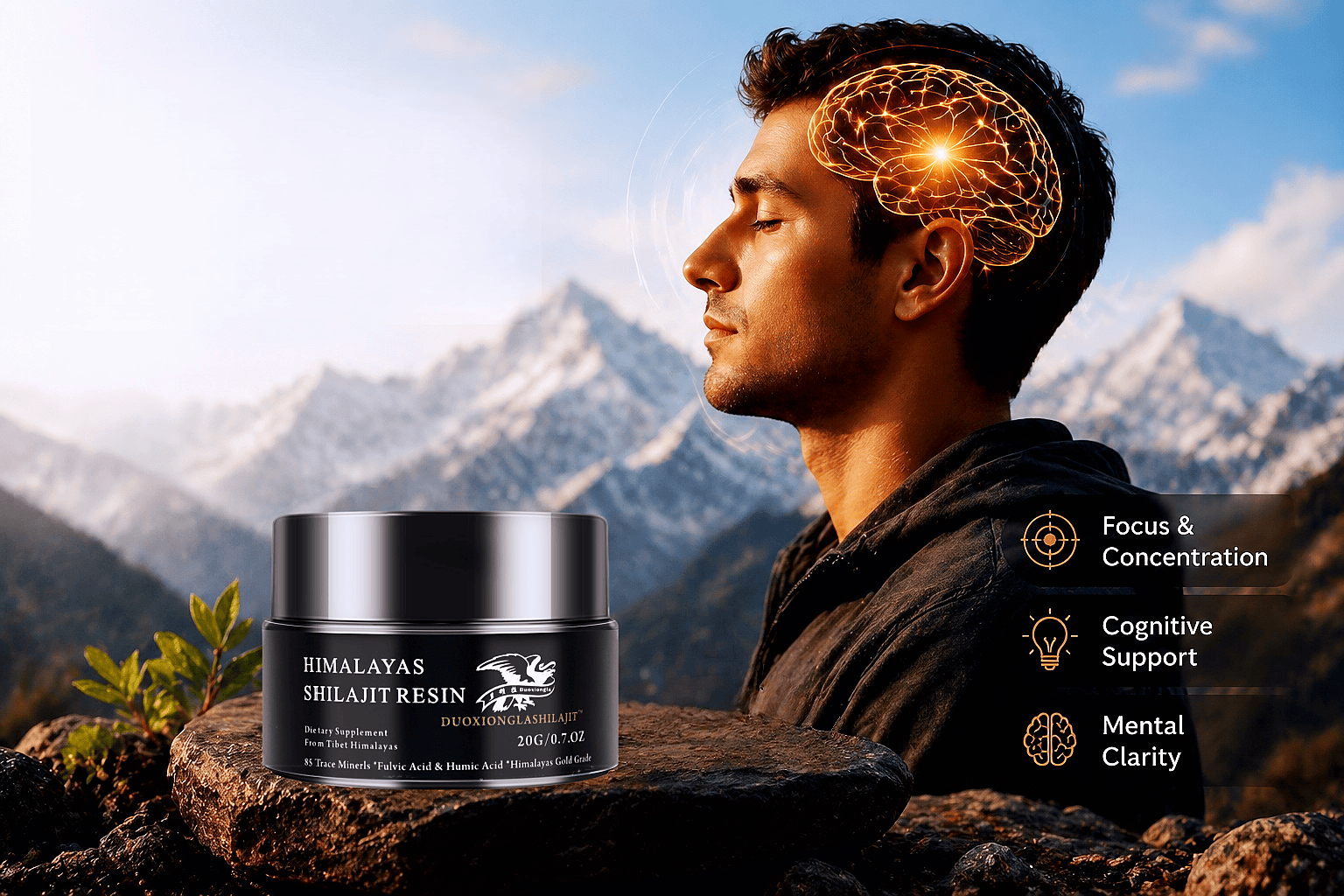
Shilajit is occasionally positioned as supportive for mental clarity. The biochemical rationale typically cites fulvic acid’s interaction with protein aggregation and the redox activity of small phenolics. A frequently cited review proposed that fulvic acid may interfere with tau aggregation in preclinical systems and suggested a theoretical neuroprotective angle. At present, controlled human trials that evaluate standard cognitive endpoints after shilajit supplementation remain limited. For background, you can read Carrasco-Gallardo et al., 2012: Fulvic acid and neurocognitive context review.
Adaptogenic and Recovery Support
Adaptogenic framing generally refers to improved resilience to physical or psychological stressors and faster return to baseline function. In the shilajit literature, evidence for recovery support is indirect and includes biomarker changes alongside performance-adjacent outcomes. The 2019 randomized trial’s subgroup finding of reduced strength loss under fatigue, together with lower baseline hydroxyproline, suggests a connection to connective tissue stress during load. Transcriptomic work points to remodeling pathways relevant to recovery. In other domains, a 48-week randomized trial in postmenopausal women with osteopenia reported favorable shifts in bone turnover markers and preserved bone mineral density with a shilajit extract over 48 weeks (Pingali et al., 2022): Bone turnover and BMD outcomes with shilajit extract (2022). While not a performance study, it contributes to a broader picture of tissue matrix effects.
Given this mixed evidence, responsible editorial framing states that shilajit may be investigated for roles in recovery and stress adaptation, with early data pointing to tissue and redox pathways. Assertions should remain tentative until larger, well-controlled human trials assess direct recovery endpoints in athletic and general populations.
Why Quality Determines Effectiveness
Authenticity and composition vary across the market, making quality a decisive factor for anyone evaluating shilajit benefits. Four determinants merit attention, led by altitude and provenance as the primary lens.
Altitude and provenance
Geographic origin affects shilajit’s inorganic and organic profile. Regional analyses have identified variability in ionic composition and small-molecule signatures across specimens from Iran, India, Nepal, Kyrgyzstan, and Russia, indicating that local geology and environmental conditions shape the matrix. While peer-reviewed correlations between precise elevation and bioactive concentration are not yet standardized, high-altitude Himalayan and Tibetan sources are often sought because of distinct geologic strata and lower industrial exposure in remote catchments. Provenance transparency—documenting source region, altitude range, and harvesting practices—serves as a practical proxy for composition expectations and environmental hygiene when combined with laboratory verification. For compositional variability across regions, see Kamgar et al. (2025): Regional anion profiles in raw shilajit.
Independent laboratory verification
Authenticity and safety ultimately depend on third-party testing. ISO/IEC 17025–accredited laboratories can assess heavy metals via ICP-MS (arsenic, cadmium, lead, mercury), microbial contamination per pharmacopeial methods, residual solvents, polycyclic aromatic hydrocarbons for resinous matrices, and pesticide residues where relevant. Certificates of Analysis should report methods, limits, batch identifiers, and dates. Responsible brands publish or provide recent, batch-specific CoAs to substantiate claims of purity and composition. For a testing-services overview, see SGS: Dietary and food supplements testing overview.
Resin integrity over powders
Resin formats are often favored in quality discussions because they reduce the number of processing steps and diluents relative to powdered extracts or capsules, which may be more susceptible to adulteration. Solvent-free or low-residual-solvent purification that preserves an intact resin matrix, combined with transparent method documentation, supports product integrity. Powders and capsules are not inherently inferior, but they demand greater scrutiny for excipients, extract ratios, and authentication methods.
Standardization and specifications
Useful specification parameters include a clearly reported fulvic acid threshold with method disclosure, moisture and ash ranges indicative of a stable resin, optional DBP markers or spectral fingerprints for identity, and tight microbial and metals compliance. Method transparency is as important as the numbers themselves because different assays can yield divergent fulvic readings. Regulatory guardrails for elemental impurities in supplements reference USP <2232> and ICH Q3D(R2) exposure concepts; you can review the U.S. FDA’s overview of elemental impurity strategies here: FDA overview of elemental impurity strategy, and ICH Q3D(R2) principles here: ICH Q3D(R2) guideline.
Certificate of Analysis checklist
● Heavy metals by ICP-MS with results vs. recognized limits; batch ID and testing date clearly shown.
● Microbial testing per pharmacopeial methods with explicit organism panels.
● Residual solvents and polycyclic aromatic hydrocarbons appropriate to resinous matrices.
● Pesticide multi-residue screening when agricultural contact is plausible.
● Composition reporting: fulvic acid method and value; moisture and ash; optional DBP markers or spectral identity.
● ISO/IEC 17025 accreditation for the testing lab and signer identity.
Realistic Expectations: What Shilajit Can and Cannot Do
A realistic framing respects both the promise suggested by early data and the limits of the current evidence base. Small controlled trials and mechanistic research support cautious statements about attenuating strength decline under fatigue in specific contexts, contributing redox-active molecules and chelating agents to the diet, and interacting with tissue remodeling pathways. Direct, generalized claims about raising energy levels, improving endurance across populations, or enhancing mineral absorption in humans remain premature. Outcomes, when present, are likely contingent on the authenticity and purity of the resin, the dose and duration, individual variability, and the surrounding diet and training program.
Safety considerations further shape expectations. Unpurified or raw shilajit can contain unacceptable levels of heavy metals or microbial contaminants. Responsible products address these risks through purification and third-party testing and provide transparent documentation. Individuals with medical conditions, those taking medications, and pregnant or lactating individuals should consult qualified professionals before use. Regulatory thresholds vary across jurisdictions; products sold in California, for example, must consider Proposition 65 warnings for certain metals, and EU frameworks set explicit ppm limits for lead and cadmium in supplements. For context on evolving heavy-metal limits in supplements, see an EU-focused regulatory summary: New limits for heavy metals in food supplements (EU overview)
How to Choose Shilajit for Energy and Vitality Support
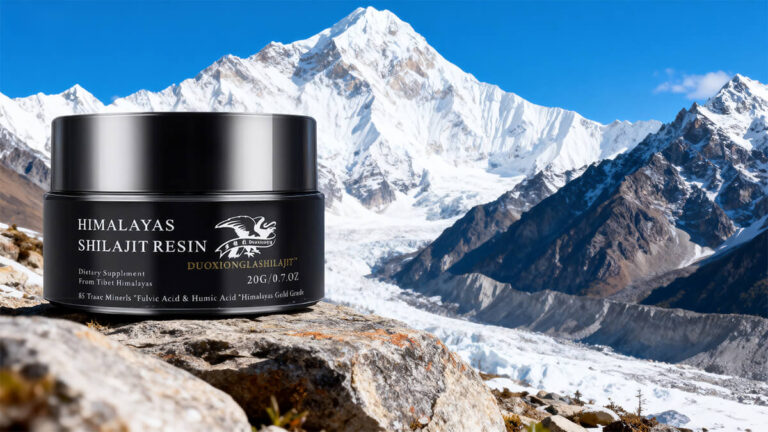
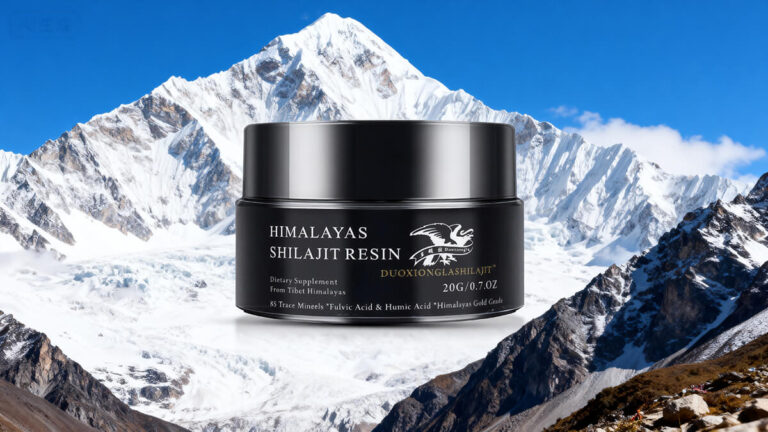
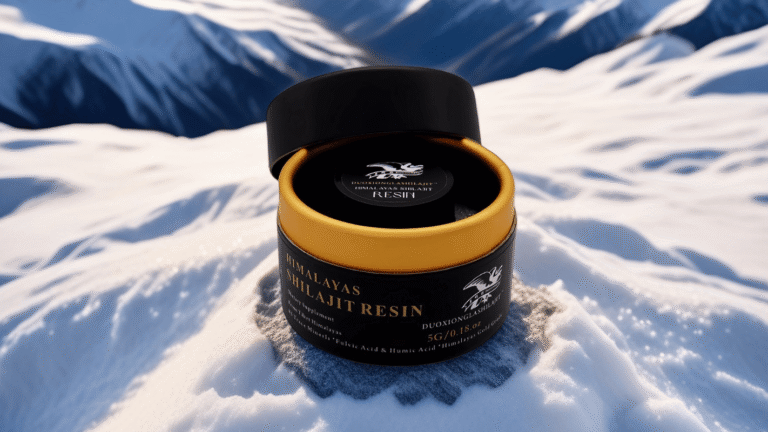
A practical selection framework emphasizes provenance, testing transparency, and resin integrity. Products that clearly identify high-altitude Himalayan or Tibetan origins, explain ethical and small-batch harvesting practices, and provide current, batch-specific CoAs from accredited laboratories give buyers the information needed to evaluate safety and composition. As one example of provenance transparency, the brand overview on the Duoxiongla About us page describes high-altitude Tibetan Plateau sourcing in a non-promotional context. For readers who want introductory explanations of trace minerals and fulvic acid from the same site, a concise orientation appears on the Duoxiongla Science page. An example of a resin-format sourcing statement can be seen on the Duoxiongla origin page. These links illustrate provenance and format context; evaluation should still rely on independent, batch-specific CoAs.
You should also examine the format and purification process. Stable resin products with minimal additives and solvent disclosures reduce uncertainty. When considering standardized extracts or powders, request detailed specifications, extract ratios, excipient lists, and identity testing data. Finally, verify that metal levels, microbial compliance, and residual solvents fall within recognized guardrails, and interpret any fulvic acid or DBP markers in light of the stated analytical methods.
Final Thoughts
Shilajit’s benefits are best understood through composition and quality. The matrix of humic substances, small phenolics, and minerals provides a coherent rationale for energy-support narratives, vitality framing, and mineral-related discussions. Human studies to date are encouraging in narrow contexts yet limited in scope and duration. Responsible buyers and practitioners focus on provenance, purification, and independent verification as the foundation for any potential outcome. An evidence-aware approach, rather than categorical promises, serves readers and the field.
FAQ
What are the main benefits of shilajit?
In my opinion, the shilajit benefits most often discussed include support for energy and fatigue resistance in specific contexts, contributions to vitality framing through tissue and endocrine pathways, and mineral-related support grounded in composition. These statements rely on early human data, a mechanistic rationale, and an authentic, purified resin. Results vary and are not guaranteed.
Does shilajit really increase energy?
The literature includes a randomized trial reporting attenuation of strength loss under fatigue in a predefined subgroup and a small open-label study suggesting reduced fatigue scores. These observations warrant cautious interest rather than categorical promises. The plausibility of shilajit energy benefits is tied to composition and quality as well as individual context. See the 2019 randomized trial in JISSN for controlled findings: JISSN RCT on fatigue-induced strength loss .
How long does it take to feel shilajit effects?
Timelines in human studies have ranged from four to twelve weeks, depending on design and endpoints. Individual response varies according to product authenticity, dose, training status, and baseline nutrition. Short-term perceptions should not be conflated with sustained outcomes without controlled evidence.
Is shilajit good for daily use?
Daily use appears in study designs evaluating purified shilajit over several weeks to months. Whether this is appropriate depends on personal health status, concurrent medications, and product quality. Consultation with a qualified professional is advisable, and only products with current, batch-specific CoAs should be considered.
Can shilajit improve stamina?
One controlled trial suggested preservation of strength under a fatigue protocol in a defined subgroup. Larger, controlled endurance studies are needed before asserting stamina effects.
What makes shilajit effective?
Any potential effect is rooted in authentic composition—humic substances (especially fulvic acid), small phenolics, and 85+ minerals—combined with adequate purification and verified safety. Provenance and batch-level testing are essential to ensure that the material under consideration resembles that described in published research. For the fulvic acid context, see Winkler et al. (2018): Fulvic acid review.
Does quality affect shilajit benefits?
Yes. Altitude and provenance inform composition expectations, while third-party verification confirms identity and safety. Shilajit resin integrity, method transparency, and standardization parameters further influence consistency. Without these quality measures, outcomes become unpredictable. For testing frameworks, see SGS’s overview of dietary supplement analyses: SGS testing overview.
Is shilajit better than other supplements?
This depends on the intended use and evidence base for comparators. Shilajit occupies a distinct niche because of its humic matrix and mineral profile. Decisions should be made on the basis of product authenticity, safety documentation, personal context, and the quality of evidence for the desired outcome.
References and source notes in prose
● Mechanistic and fulvic acid context is discussed in Winkler and colleagues’ review (2018), which examines redox and membrane interactions in preclinical models: Therapeutic Potential of Fulvic Acid (2018).
● Energy and fatigue-related human data include a 2019 randomized trial in the Journal of the International Society of Sports Nutrition (Keller et al.): Shilajit and fatigue-induced strength loss (2019); a 2026 open-label pilot in Cureus: Pilot on shilajit resin and fatigue metrics (2026); and skeletal muscle transcriptome changes with oral shilajit and training reported by Das et al. in Frontiers in Physiology (2016): Skeletal muscle transcriptome and shilajit (2016).
● Mineral composition exemplars and pH characterization for a native Himalayan specimen are available in ACS Omega (2025): Chemical analysis of native Himalayan shilajit; publisher page: ACS Omega article. Regional variability is discussed in Kamgar et al. (2025): Inorganic anions by region.
● Recovery and tissue matrix context includes a 2022 randomized trial in postmenopausal women with osteopenia: Shilajit extract and bone turnover/BMD (2022).