What Is Shilajit? A Comprehensive Guide to Its Origin, Composition, and Quality

Introduction
Shilajit is a naturally occurring, mineral-rich resin that emerges from rock fissures in high-altitude mountain environments after prolonged biological and geological transformation. As interest in traditional mineral–organic substances grows, understanding shilajit requires careful examination of its origin, composition, processing, and quality standards.
This guide provides a structured, evidence-aware overview of shilajit—what it is, how it forms, where it originates, what it contains, how it is processed, and how to assess authenticity. Particular attention is given to traceability, altitude context, and independent laboratory verification, which are essential for distinguishing genuine material from inferior or misrepresented products.
What Is Shilajit?
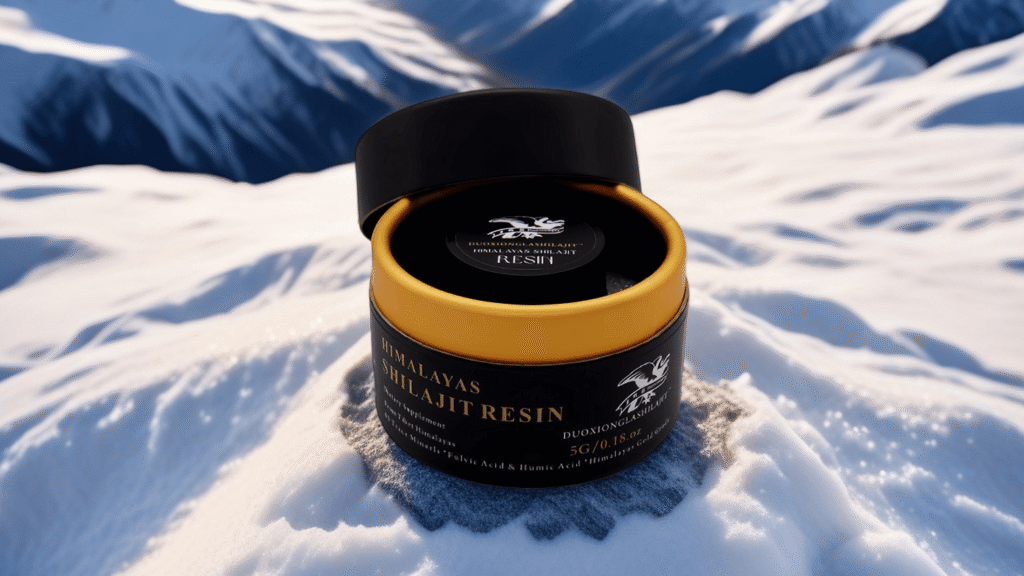
Shilajit is a dense, tar-like exudate composed primarily of humic substances integrated with minerals and trace organic compounds. It forms naturally in high mountainous regions and is historically referenced in traditional systems such as Ayurveda. Authoritative encyclopedic overviews describe it as a natural exudate with variable composition that has been used traditionally in South and Central Asian systems of medicine. According to the reference entry published by Britannica in its science encyclopedia, shilajit appears as a mountain rock exudate in regions such as the Himalayas, Altai, and Caucasus, and modern usage spans resin, powders, and capsules, with safety depending on proper processing and quality controls (Britannica — Shilajit | Description, Sources, Purported Benefits, & Safety). The substance owes its characteristic dark color and viscosity to its complex mixture of organic fractions and mineral content.
In practical terms, shilajit is encountered as a resin that softens with warmth and dissolves in liquids, or as processed powders and capsules derived from the same base material. As with any natural material that forms over long timescales in diverse geological settings, its composition and impurities vary with origin and processing.
How Shilajit Is Formed
The formation of shilajit is best understood as a long-term, multi-factor process involving organic matter, microbes, rock matrices, and environmental forces at high elevations. Over centuries, alpine plant material and other organic inputs have become trapped within rock layers and soils. Microbial activity transforms this organic matter into humic substances while geological pressure, temperature fluctuations, and seasonal thaw cycles influence migration through porous rock. During warmer months, small amounts of this transformed material may exude through fissures as a viscous resin-like substance.
In academic discussions that analyze exudation in high mountain systems, authors describe the convergence of heat, tectonic stress, porosity, and seasonal thawing that enable mineral–organic substances to appear at the rock surface. These descriptions align with peer‑reviewed characterizations of Himalayan samples showing humic and fulvic fractions, minerals, and small organic molecules consistent with protracted biogeological transformation (PMC — Mechanisms of generation and exudation of Tibetan medicine). The resulting substance is not uniform: its final profile depends on local geology (mineral matrix and trace element availability), biological history, moisture and temperature regimes, and any subsequent purification steps applied by processors.
How Shilajit Forms
The formation of shilajit is a gradual, multi-layered process involving organic matter, microbial activity, and geological forces.
Over centuries, plant material becomes trapped within mountain rock layers. Microorganisms break down this material into humic substances, while pressure, temperature fluctuations, and seasonal thaw cycles influence its transformation. During warmer periods, small quantities of this material migrate through porous rock and emerge as a resin-like exudate.
This process is influenced by several environmental factors:
Geology: Mineral composition of the surrounding rock affects elemental content
Biological input: The type of vegetation contributes to the organic profile
Climate: Temperature variation and moisture impact transformation
Elevation: Alpine conditions shape both plant sources and decomposition rates
Altitude is often referenced in discussions of quality. While not a standalone indicator of superiority, higher elevations can provide meaningful context for traceability and environmental conditions associated with formation.
Geographic Origin and Traceability
Shilajit is most commonly associated with the Himalayan region, including areas of India, Nepal, and the Tibetan Plateau. The encyclopedic overview from Britannica identifies the Himalayas, Altai, and Caucasus as well‑documented regions of origin and emphasizes that composition varies by location (Britannica — Shilajit).
Geographic specificity plays a critical role in evaluating authenticity. Reliable products typically disclose:
Mountain range or region
Country of origin
Approximate elevation
Collection conditions or season
Such details improve transparency and help explain natural variation. Vague or generalized origin claims, by contrast, reduce accountability and make verification difficult.
What Is Shilajit Made Of?
Shilajit composition is heterogeneous but consistently features a matrix of humic substances integrated with inorganic minerals and diverse small organic molecules. Peer‑reviewed reviews and analytical characterizations provide a framework for understanding the major components and the reasons reported values differ across sources and studies.
Fulvic acid (within the humic matrix): Fulvic acid is a lower molecular weight, acid‑soluble fraction of humic substances. In shilajit, fulvic acid is often highlighted because it is water‑soluble and interacts with minerals and organic molecules. Reported fulvic acid percentages vary widely across the literature due to origin, purification, and assay methods; colorimetric assays can overestimate values compared with chromatographic methods. Reviews summarize fulvic acid as a prominent fraction but caution against treating a single percentage as definitive for all authentic materials (PMC — Carrasco‑Gallardo et al., review on shilajit composition and context).
Humic acid and humin: Humic acid represents higher molecular weight, alkali‑soluble components, while humin is an insoluble fraction in some classification schemes. These components contribute to the dark coloration and viscosity of resin and may carry bound minerals. Variability reflects both natural heterogeneity and purification choices that change the relative proportions of soluble and insoluble fractions.
Minerals and trace elements: Major elements commonly reported include potassium, calcium, magnesium, and sodium; trace elements appear at low concentrations and vary with geology and purification. Inorganic anions such as chloride, sulfate, nitrate, and phosphate may also be present. Multi‑technique chemical analyses of Himalayan samples provide examples of these inorganic profiles (PMC — Chemical Analysis of Native Himalayan Shilajit).
Other organic constituents: Analytical work identifies families such as dibenzo‑α‑pyrones (DBPs), phenolic compounds, organic acids, amino acids in small amounts, and lipophilic fractions (waxes/resins). These constituents are not unique to shilajit but occur in combinations that reflect its formation history and subsequent processing(PMC — Carrasco‑Gallardo et al.,2012 review).
These compounds contribute to the overall complexity of shilajit but are not unique to it individually. Their significance lies in their combined presence within the matrix.
Types of Shilajit
Shilajit is marketed in several formats, each with distinct characteristics. Format alone does not determine quality; verification depends on sourcing, processing, and testing.
Resin
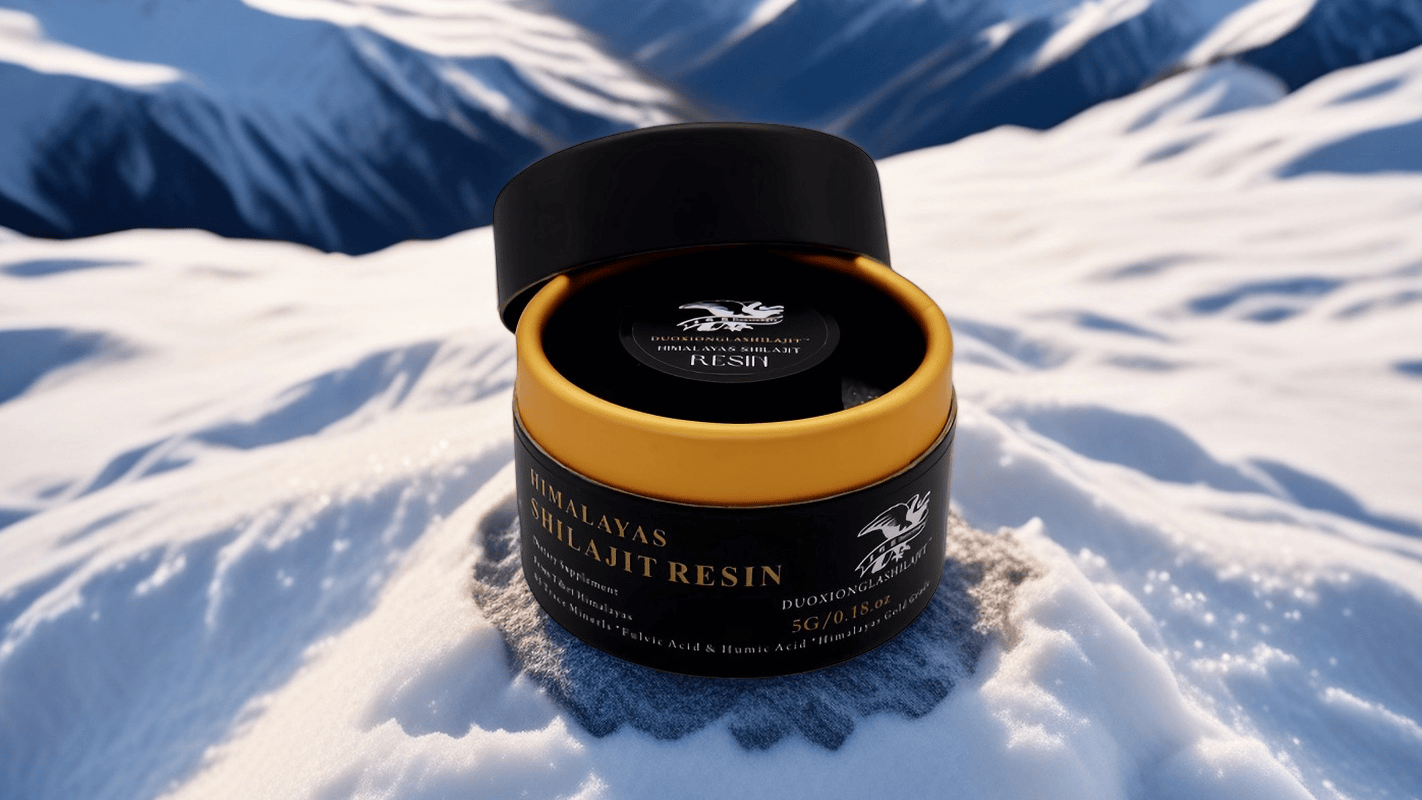
Resin is the concentrated, viscous form that softens with heat and dissolves in liquids. It is generally considered the least processed format because it remains close to the material’s native, purified state following aqueous dissolution, filtration, and low heat concentration. Consumers sometimes prefer resin for transparency: the texture, solubility, and absence of excipients are easier to observe directly. However, resin still requires batch specific testing to confirm elemental impurities, microbiology, and other quality metrics.
Powder
Powder is typically produced by drying purified resin or creating standardized extracts. It offers convenience and easier dosing but may include processing aids or excipients that require disclosure.
Capsules
Capsules contain powdered shilajit or extracts. While convenient, they can obscure formulation details. Transparency in ingredient composition and testing is critical for evaluation.
How Shilajit Is Purified?
Raw shilajit, as collected from rock surfaces, is not suitable for direct consumption. Natural exudates can include soil particles, rock fragments, microbial contaminants, and variable levels of inorganic elements. Purification aims to remove physical impurities and reduce microbial and elemental contamination while preserving the humic and fulvic matrix.
Traditional purification principles in Ayurvedic practice (often referred to as shodhana) describe dissolving the raw material in an aqueous medium, settling and filtration to remove insoluble matter, and additional steps intended to reduce unfavorable properties. In some traditions, herbal decoctions such as Triphala have been used as part of purification workflows documented in pharmacopeial and analytical studies. Modern producers commonly employ solvent‑free, aqueous dissolution followed by multi‑stage filtration or centrifugation,low‑temperature concentration to preserve integrity, and microbiological controls compliant with supplement manufacturing practices. Final verification relies on independent laboratory testing that reports elemental impurities (e.g., lead, arsenic, cadmium, mercury), microbial counts, and pathogens.
When you choose a shilajit brand, you must read the test results and check the COA or third-party report. Maybe you can read Duxoiongla shilajit report as a reference. It’s a test report from SGS.
How Shilajit Is Used
Shilajit is incorporated in traditional systems of practice as a general tonic and is used in modern society as a mineral supplement. Contemporary consumer formats include dissolving a small resin/liquid portion in warm water, tea, or milk; or using measured amounts of powder/liquid or capsules according to product labeling. Responsible use emphasizes adherence to the user manual and consultation with a qualified healthcare professional for individuals with underlying conditions, those taking medications, and populations such as pregnant or breastfeeding individuals.
Storage and handling affect integrity. Resin is sensitive to temperature; it softens with warmth and can be stored in a cool, dry place away from direct sunlight. Clean utensils reduce the risk of microbial introduction. Powders and capsules should be kept sealed and dry per label instructions.
Potential Benefits of Shilajit (Contextual Overview)
Traditional and historical sources describe shilajit (shilajatu/mumijo) as a rasayana in Ayurvedic taxonomy, associated with vitality, endurance, and general well‑being. Tibetan materia medica similarly references mineral–organic exudates within a framework of balancing and fortifying functions. Modern medical overviews for consumers summarize these historical associations while emphasizing that high‑quality human evidence is limited and that crude, unprocessed materials carry safety risks. Within this guide’s evidence posture, potential benefits are presented strictly as traditional descriptions and do not constitute health claims or medical advice. Readers should treat such descriptions as historical context rather than predictive outcomes.
Safety and Quality Considerations
The safety of shilajit depends entirely on proper purification, manufacturing standards, and laboratory verification.
Key Risk Factors
Heavy metals: Naturally occurring elements may be present without proper processing
Microbial contamination: Raw material can carry environmental organisms
Organic residues: Environmental exposure may introduce additional contaminants
Testing methods such as ICP-MS (for metals) and microbiological analysis are standard for verifying safety.
How to Identify High-Quality Shilajit
Quality evaluation can be organized around traceability, process transparency, and laboratory evidence. The following criteria help distinguish authentic, pure shilajit from lower‑quality or misrepresented products:
● Sourcing transparency and geolocation specificity: Preference for clearly named ranges and countries with altitude context (e.g., Himalayan sub‑ranges or other documented high mountain systems). Seasonal collection notes and small‑batch descriptions can improve traceability when they are specific and verifiable.
● Purification disclosure: Clear explanation of solvent‑free, aqueous processing, multi‑stage filtration or centrifugation, low‑temperature concentration, and hygienic controls. References to traditional shodhana can provide cultural context, but modern safety relies on verifiable lab results.
● Independent laboratory testing: Batch‑specific COAs dated and tied to lot numbers. Metals via ICP‑MS (or equivalent), microbiological panel with pathogens, and, where applicable, GC‑MS screening for PAHs or other organics. Reports should identify the lab, the methods, units, detection limits, and pass/fail criteria relative to recognized limits.
● Composition characterization with method disclosure: If fulvic acid is quantified, the COA should specify the assay method (e.g., HPLC/LC‑MS versus less specific colorimetry). A high fulvic percentage without method details is insufficient as a quality marker.
● Format integrity: For resins, straightforward ingredient lists (ideally the resin only) and clarity about water content and softening behavior. For powders and capsules, transparent lists of excipients and clear identification of extract standardization.
● Market risk awareness and red flags: Unusually low pricing; vague origin descriptors; absence of COAs upon request; claims that at‑home solubility or flame tests are sufficient to prove authenticity; exaggerated health or performance promises.
Buyer’s COA checklist (compact reference):
● Document basics: Lab name and accreditation (if stated), sample name, batch/lot number, sample and report dates.
● Methods: ICP‑MS (metals), microbiology panel (TAMC/TYMC, pathogens), GC‑MS (if PAHs screened), and the fulvic method if reported.
● Results and limits: Numeric values with units, method detection limits (LOD/LOQ), and pass/fail criteria or reference limits (e.g., USP/ICH context).
● Consistency: Product label claims (origin, altitude notes, format) align with the COA and product page.
A concise buyer workflow is practical: request a recent COA before purchase; verify batch numbers and methods; confirm that elemental impurities, microbiology, and (if screened) organics meet recognized limits; ensure origin and elevation disclosures are specific and
consistent across materials
Common Misconceptions
Several misconceptions contribute to confusion in the marketplace:
Appearance alone determines authenticity: Visual similarity is unreliable.
Home tests are sufficient: Informal methods cannot detect contaminants.
Single metrics define quality: No single component, including fulvic acid, determines overall quality.
A comprehensive, evidence-based evaluation is necessary for accurate assessment.
Who Should Consider Shilajit?
Interest in shilajit typically arises among individuals exploring traditional mineral–organic substances and resin-based supplements. Those prioritizing transparency, traceability, and documented testing are better positioned to make informed decisions.
Individuals with existing health conditions, those taking medications, and sensitive populations should consult qualified professionals before use.
Final Thoughts
Shilajit is a complex natural substance shaped by long-term biological and geological processes in high-altitude environments. Its variability makes origin, purification, and testing essential factors in determining authenticity and safety.
A rigorous, documentation-driven approach—grounded in traceability and independent verification—remains the most reliable way to evaluate shilajit. In a market where appearance and claims can be misleading, quality is defined not by presentation, but by evidence.
FAQ
What exactly is shilajit?
Shilajit is a naturally occurring mineral–organic resin formed over long periods in high mountain environments, composed primarily of humic substances and minerals.
Is shilajit a mineral or plant-based substance?
It is a mineral–organic complex derived from decomposed plant matter transformed within geological systems.
Where does authentic shilajit originate?
It is found in high-altitude regions such as the Himalayas.
What does shilajit contain?
It contains humic substances, minerals, and various organic compounds, with composition varying by origin and processing.
Is shilajit safe?
Safety depends on proper purification and verified laboratory testing. Batch-specific documentation is essential.
Which form is best?
No form is inherently superior. Quality depends on sourcing, processing, and testing rather than format.
How can quality be verified?
Through transparent origin disclosure, purification details, and independent laboratory COAs confirming safety and composition.
Why can shilajit be expensive?
Factors include sourcing difficulty, high-altitude collection, purification processes, and testing requirements. However, price alone does not indicate quality.
References and further reading (selected):
● Britannica — Shilajit overview: an encyclopedic description of origin and composition:
https://www.britannica.com/science/shilajit
● Chemical analyses and composition characterizations (humic/fulvic matrix, minerals, organics): https://pmc.ncbi.nlm.nih.gov/articles/PMC3296184/ and https://pmc.ncbi.nlm.nih.gov/articles/PMC12703986/