
How to Take Shilajit Resin Properly in 2026?
Introduction
Shilajit resin is widely used as a dietary supplement, yet consistent and effective use depends on a set of practical variables that are often overlooked. Dose measurement, preparation temperature, timing, and product quality all influence how the material is experienced and evaluated.
Because shilajit varies in concentration and composition across products, imprecise dosing or inconsistent preparation can obscure individual tolerance and outcomes. A disciplined, repeatable approach is therefore essential. This guide presents a structured method for using shilajit resin, with emphasis on conservative dosing, proper dissolution, and verifiable product quality.
What Shilajit Resin Is and Why Form Matters
Shilajit is a natural exudate that forms in high mountain ranges and contains humic substances (including fulvic acid), identifiable organic compounds such as dibenzo-α-pyrones (DBPs), and a spectrum of trace minerals in an organic–inorganic matrix. Peer-reviewed reviews and analyses describe a complex mixture whose composition varies by geography and processing. Overviews of composition and mechanistic hypotheses are available in clinical and biochemical reviews
and analytical studies, which underscore the heterogeneity of shilajit and the importance of purification and standardization before human use. See the scientific overview in a widely cited review and related analyses for compositional context: the clinical review of shilajit’s constituents and safety considerations in 2012, and subsequent humic/fulvic discussions and composition summaries in later open-access work (clinical review, 2012; humic materials context, 2020).
Shiljit resin, the focus of this guide, differs operationally from powders and capsules. Resin generally contains minimal excipients and allows fine-grained titration by mass, but it requires careful measuring and full dissolution to achieve consistent intake. Capsules offer pre-measured convenience and dosing precision, yet they may include fillers and can obscure resin quality details unless batch documentation is provided. Practical form comparisons in consumer health coverage emphasize these operational trade-offs rather than asserting superiority of one form over another (MedicalNewsToday, 2024).
Recommended Dosage of Shilajit Resin
Numerous clinical studies and consumer monographs converge on adult oral intakes in the 200–500 mg/day range for purified preparations over periods of 8–48 weeks. A consolidated monograph for consumers reports that adults most often use 200–500 mg per day for 8–48 weeks, reflecting typical research practice rather than a one-size-fits-all directive (WebMD Monograph). Trials commonly employ 250 mg once or twice daily, and some use 500 mg/day for several weeks with good tolerability in healthy adults, though standardization differs between products (example trials: 250–500 mg/day for 8–12 weeks; transcriptomic and tolerability context).
My advice for beginners:
● Start at approximately 250 mg once daily.
● Do not exceed a total of 500 mg/day without clinician guidance.
This conservative position sits near the center of reported usage windows, reflects variability in product concentration, and prioritizes tolerability and safety.
How to take shilajit resin properly
Accurate measurement is critical. Shilajit brand providers sometimes describe a “pea-sized” amount, but this visual cue varies. A small digital scale capable of 0.01–0.1 g resolution enables reliable measurement of ~0.25 g (250 mg). If a scale is unavailable, use a calibrated micro scoop supplied by the manufacturer and keep the method identical each day to reduce variability. Maintain the starting dose for at least one to two weeks before considering any adjustment, and do not exceed 500 mg/day without clinician input.
Context for dosage variability
● Concentration differences: Some resins report different fulvic acid percentages or other standardization metrics. A higher concentration often requires less total mass to achieve a similar intake of key constituents. Align mass_based dosing with the product’s stated concentration or, ideally, its batch_specific certificate of analysis (COA).
● Study ranges: While 200–500 mg/day is common, durations and populations differ; Isolated higher intakes in research settings do not constitute routine consumer guidance (WebMD).
How to Prepare Shilajit Resin
A structured preparation process improves consistency and tolerability. Evidence does not prescribe an exact household temperature, but prudent handling uses warm—not boiling—liquid for dissolution.
Step-by-step preparation:
1. Measure the resin: Weigh approximately 250 mg on a small digital scale. Place the resin in a clean glass or ceramic cup.
2. Prepare the liquid: Heat water, milk, or mild herbal tea and allow it to cool briefly. A practical approach is to let just boiled water rest for 60–90 seconds before use, aiming for a warm range roughly 45–65°C (113–149° F).
3. Dissolve thoroughly: Add 100–200 ml of the warm liquid to the cup. Stir steadily for 2–5 minutes until the resin is fully dispersed with no visible grit. Slightly longer stirring or marginally warmer liquid within the warm range may be needed for complete dissolution.
4. Taste and tolerability: If the natural taste is strong, consider milk or a non-dairy alternative for palatability. Avoid very hot liquids if you prefer conservative handling of heat-sensitive constituents.
5. Drink promptly: Consume the mixture once fully dissolved. If residue remains, add a small splash of warm liquid, swirl, and finish.
The following notes need to be paid attention to:
● Water: straightforward, neutral vehicle; recommended for initial trials.
● Milk or non-dairy milk: may improve palatability; consider dietary preferences.
● Mild herbal tea: acceptable if not excessively hot or highly acidic.
● Coffee or black tea: feasible, but be mindful of higher temperatures and caffeine sensitivity. Allow the beverage to cool to warm before dissolving the resin.
Optional technique
● Sublingual micro-portioning: Very small amounts of resin can be allowed to soften under the tongue for gradual swallowing. This method complicates measurement and taste control, so it is generally not recommended for beginners.
Approximate measures and temperature cues
Item | Practical guidance |
Beginner dose | ~250 mg (0.25 g) once daily |
Visual proxy | Small pea ≈ 200–300 mg (highly variable; scale preferred) |
Liquid temperature | Warm, not boiling; household cue: let boiled water cool 60–90 seconds |
Dissolution time | 2–5 minutes of steady stirring (may vary by temperature) |
Note on evidence: Household temperature ranges are pragmatic rather than evidence-mandated.
Best Time to Take Shilajit
Clinical literature does not define a universally optimal time of day. Practical timing should prioritize consistency and tolerability. Many users standardize morning intake before breakfast to establish a routine and to monitor individual response. If gastric sensitivity occurs, shifting the dose to after a light meal is reasonable. Evening dosing may be acceptable for some; if any stimulation or sleep disruption is suspected, move the dose earlier and reassess. Authoritative monographs summarize usage windows without prescriptive timing and provide general safety framing for adults using purified preparations (WebMD).
How Often to Take Shilajit
Daily intake is typical in research, usually for 8–14 weeks and sometimes longer. Consistency supports evaluation of tolerance and subjective outcomes. An optional pragmatic cycle—such as 6–8 weeks of daily use followed by 1–2 weeks off—can help users reassess baselines and confirm whether ongoing use is warranted. This cycling approach is a practical strategy, not a clinically required protocol.
When considering increases from the baseline, keep the total daily intake at or below 500 mg/day without clinician guidance. Splitting the daily total into two smaller servings (e.g., 125 mg twice daily) is a practical alternative for those who prefer steadier intake.
Common Mistakes to Avoid
Several operational errors reduce consistency or increase risk:
● Overreliance on visual measures: “Pea_sized” portions vary widely. Prefer a scale or a calibrated scoop to measure ~250 mg.
● Exceeding conservative ceilings: Avoid surpassing 500 mg/day without clinician input, even if short-term trials have used higher amounts.
● Inadequate dissolution: Resin that is not fully dispersed can leave grit and cause inconsistent intake. Use warm liquid and stir for 2–5 minutes.
● Using very hot liquids: Extremely hot beverages are unnecessary for routine preparation; allow to cool briefly to a warm range.
● Inconsistent timing and co-ingestion: Varying timing and mixing partners obscure tolerance assessment. Keep variables stable during the first weeks.
● Ignoring product quality: Skipping COA checks and using unpurified or poorly tested products increases contamination risk and dosing uncertainty.
● Stacking stimulants uncritically: Combining with strong coffee or multiple stimulant supplements without assessing individual tolerance can complicate sleep and subjective effects.
How Quality Affects Dosage and Results
Resin quality and concentration influence how much mass is appropriate and how predictable the experience will be. Two domains matter most: purification/testing and concentration/standardization.
Purification and testing
Unpurified or inadequately processed shilajit may contain heavy metals (lead, arsenic, cadmium, mercury) and other contaminants; properly purified products mitigate these risks. Published reviews stress avoiding unprocessed raw shilajit and relying on purified, lab-tested products for human use (2012 clinical review). More recent analytical work has also called attention to thallium detected in certain commercial supplements, highlighting the value of batch-specific testing and transparent documentation (thallium quantification, 2025).
Reading a COA (Certificate of Analysis)
● Heavy metals: Confirm that lead, cadmium, mercury, and arsenic are within recognized benchmarks for daily exposure. Many companies align with frameworks such as USP elemental impurities, PDEs, and California Proposition 65 safe harbor levels; these are reference points rather than FDA-mandated supplement limits. See background information on USP elemental impurities and Prop 65 safe harbor levels.
● Microbiology: Check that total aerobic counts, yeasts/molds, and pathogens (e.g., Salmonella, E. coli) meet safe thresholds per cGMP practices.
● Concentration: Look for fulvic acid or other standardization metrics. Higher percentages generally indicate a more concentrated product, which should prompt proportionally smaller mass doses. Additionally, please pay attention to the testing methods used. Authentic Shilajit contains a fulvic acid content ranging from 20% to 60%. If the content is exceptionally high, it may be a shilajit extract or a counterfeit product.
Concentration and dose alignment
Because products differ in fulvic acid percentage and other markers, align your mass-based dose with the concentration to maintain a comparable intake of key constituents. For example, if 250 mg of a product with a given standardization delivers a certain amount of fulvic fraction, a product with a substantially higher concentration may require a lower mass to approximate the same intake.
Neutral, relevant brand example
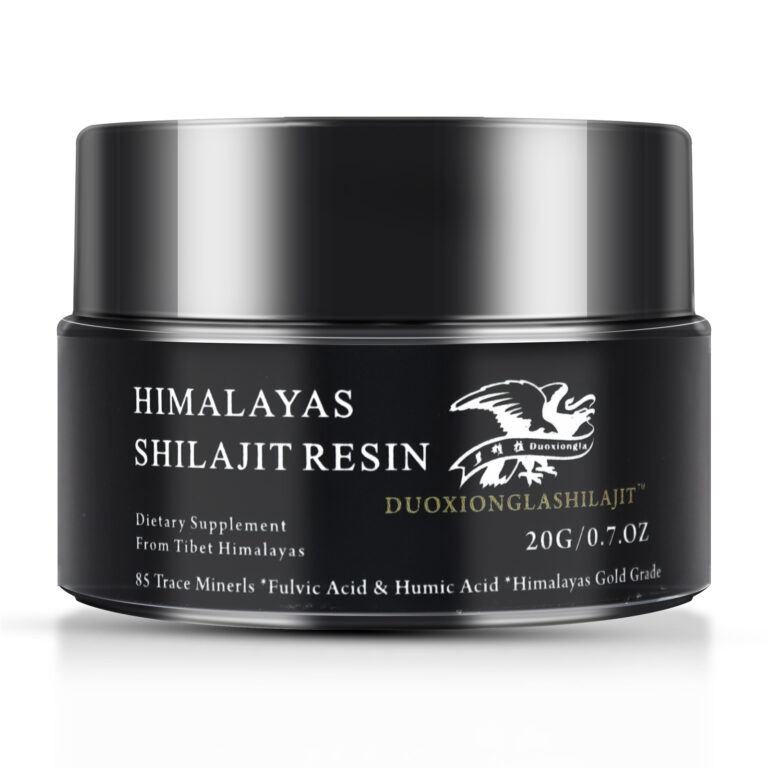
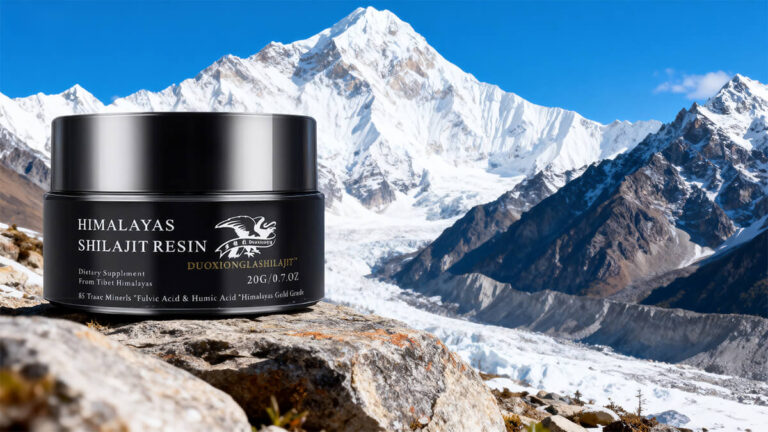
Some producers publish background on high-altitude sourcing and third-party laboratory testing to support transparency. As an example, Duoxiongla describes its high-altitude Tibetan sourcing and lab-testing philosophy on its website; readers can review the brand background here: Duoxiongla. This reference illustrates how sourcing and documented testing can inform purchasing choices and dosing confidence.
Safety & Testing (compact reference)
● Use only purified, third-party-tested resin with an accessible, batch-specific COA.
● Verify heavy metals (Pb, Cd, Hg, As) are at or below recognized benchmarks; check microbial safety; seek PAH testing when available.
● Align dose with concentration reported on the label/COA; higher concentration requires less mass.
● Avoid use during pregnancy and breastfeeding; do not use in children without clinician guidance.
● Consult a clinician if managing chronic conditions, taking medications (especially for blood sugar), or if considering more than 500 mg/day. Discontinue use at least two weeks before scheduled surgery. Authoritative background for these points is available in consumer monographs and peer-reviewed analyses (WebMD monograph; 2012 clinical review; FDA cGMP backgrounder).
Can You Take Shilajit with Other Supplements?
There is limited authoritative evidence on specific supplement combinations. Practical, conservative guidance is appropriate:
● With coffee or tea: It is acceptable to dissolve resin into coffee or tea that has cooled to a warm temperature; monitor caffeine sensitivity. No strong evidence supports unique synergies with these beverages.
● With milk or non-dairy milk: This is a common approach to improve palatability and is operationally straightforward.
● With other supplements: Combine cautiously and introduce changes one at a time so that tolerance can be assessed. Those using medications—especially for blood sugar—should consult a clinician because some references note possible effects on glucose regulation (WebMD).
Safety Considerations and Who Should Be Cautious
Shilajit should be used with care, particularly in populations with limited safety data or heightened risk:
● Pregnancy and breastfeeding: Insufficient reliable information; avoidance is prudent (WebMD).
● Pediatrics: Safety data are lacking; avoid use unless directed by a clinician.
● Chronic conditions and medications: Individuals with diabetes or those on medications affecting blood sugar should monitor closely and consult a clinician. Those scheduled for surgery should discontinue at least two weeks prior (WebMD).
● Iron overload disorders (e.g., hemochromatosis) and gout: Use cautiously or avoid unless medically supervised due to mineral and purine-related considerations mentioned in clinical references.
● General contamination risk: Only use purified, third-party-tested products with accessible COAs to mitigate heavy metal and microbial risks (2012 clinical review; thallium analysis, 2025).
Resin vs Capsules: Differences in Usage
Operational differences affect user preference and consistency:
● Dosing precision: Capsules provide pre-measured amounts and are simple to standardize. Resin allows flexible titration but requires a scale or calibrated scoop for accuracy.
● Preparation effort: Resin requires dissolution and utensils; capsules are portable and require no preparation.
● Excipients and transparency: Pure resin typically lacks fillers, whereas some capsules include additional excipients. Regardless of form, insist on a transparent batch documentation (COA) to evaluate safety and concentration. No head-to-head efficacy trials were identified; differences here are practical and label-based rather than clinical superiority claims.
Practical Daily Routine Example
A conservative, structured routine supports consistency and assessment:
Initial setup
● Tools: small digital scale (0.01–0.1 g resolution), glass or ceramic cup, stirring utensil, kettle or thermometer (optional).
● Storage: keep resin tightly sealed, away from heat and humidity; record the batch number and opening date on the container or a log.
Week 1 (Days 1–7)
● Dose: measure ~250 mg once daily.
● Preparation: dissolve in 100–200 ml warm water (approximately 45–65°C / 113–149° F after letting boiled water cool 60–90 seconds). Stir for 2–5 minutes until fully dispersed.
● Timing: standardize on morning intake before breakfast. If gastric sensitivity occurs, move to after a light meal while keeping the time of day consistent.
● Tracking: maintain a simple log documenting date, dose (mg), timing, co-ingested items, and observations.
Week 2 (Days 8–14)
● Maintain the same total daily dose (250 mg). If preferred, split into 125 mg twice daily while keeping the same total.
● Continue to monitor sleep, digestion, and perceived energy or focus. If sleep disturbance emerges, shift the dose earlier.
Weeks 3–8
● Continue daily use consistently. Do not exceed 500 mg/day without clinician guidance. Any adjustment should be modest and maintained for at least a week before further changes.
● Optional cycle: after 6–8 weeks, pause for 1–2 weeks to reassess baseline. Resume at the baseline dose if continuing use.
Troubleshooting within the routine
● Incomplete dissolution: slightly increase liquid temperature within the warm range and stir longer; if needed, use a fine mesh to strain any grit.
● Gastrointestinal discomfort: reduce to ~150 mg/day for a week, then re-titrate to 250 mg/day if tolerated.
● Taste issues: switch to warm milk or a non-dairy alternative for palatability, keeping the temperature within the warm range.
Final Thoughts
The best way to take shilajit resin is systematic: measure accurately, dissolve completely in warm liquid, take it consistently at the same time each day, and verify product quality through transparent testing. A conservative starting dose of approximately 250 mg once daily, with a ceiling of 500 mg/day without clinician oversight, aligns with commonly reported usage windows and prioritizes safety. Concentration and purification dictate how much mass is appropriate; align dosing with the label and, when possible, a batch-specific COA. Responsible daily use, careful observation, and periodic reassessment help determine whether shilajit resin is appropriate for ongoing personal routines.
FAQ
Q: How do you take shilajit resin daily?
A: Measure approximately 250 mg on a small digital scale, dissolve it fully in 100–200 ml of warm water, milk, juice, or mild tea (not boiling), and take it once daily at a consistent time. Maintain this intake for at least 1–2 weeks before considering any change, and do not exceed 500 mg/day without clinician guidance.
Q: Should shilajit be taken on an empty stomach?
A: Standardize timing for consistency. Many users choose morning intake before breakfast; if gastric sensitivity occurs, take it after a light meal. Authoritative sources do not prescribe a specific timing; consistency and tolerability take precedence.
Q: Can I mix shilajit with coffee or tea?
A: Yes. Allow coffee or tea to cool to a warm temperature before dissolving the resin to support conservative handling and comfortable drinking. Monitor caffeine sensitivity and sleep. No strong evidence supports special synergies with these beverages.
Q: How much shilajit resin should you take?
A: A conservative starting dose is approximately 250 mg once daily. Do not exceed 500 mg/day without a clinician’s input. This falls within commonly reported adult usage ranges of 200–500 mg/day for purified preparations over 8–48 weeks.
Q: How long does it take to see effects?
A: Clinical trials typically last 8–12 weeks or longer, with daily intakes in the 200–500 mg/day range. You should evaluate consistency and tolerability over several weeks rather than days to make an informed judgment, recognizing that responses vary by product and individual (trial durations overview).
Q: Is it safe to take shilajit every day?
A: Short-to medium-term studies using purified resin in the 200–500 mg/day range have generally reported good tolerability in healthy adults, though long-term safety remains under-characterized. Safety depends on product purification and testing, adherence to conservative dosing, and individual context. Choose third-party-tested products with accessible COAs and consult a clinician for medical questions.
Q: What happens if you take too much shilajit?
A: Exceeding conservative intake may increase the likelihood of gastrointestinal discomfort or sleep disruption and complicate tolerance assessment. If intake exceeds 500 mg/day, consult a clinician. Because products differ in concentration, a higher mass does not necessarily yield proportional benefits and can elevate contaminant exposure per serving if quality is suboptimal.
Q: Is resin better than capsules for dosing?
A: Resin allows flexible titration but requires a scale for accuracy; capsules offer pre-measured precision and portability. Neither form has proven clinical superiority. Choose based on operational preference and the availability of transparent batch documentation (COA) for safety and concentration.