
Understanding the Natural Complexity of Shilajit
Shilajit is not merely a single extract, nor simply a botanical substance. It is a naturally occurring material formed through the interaction of organic matter, mineral-rich geology, environmental variation, and time.
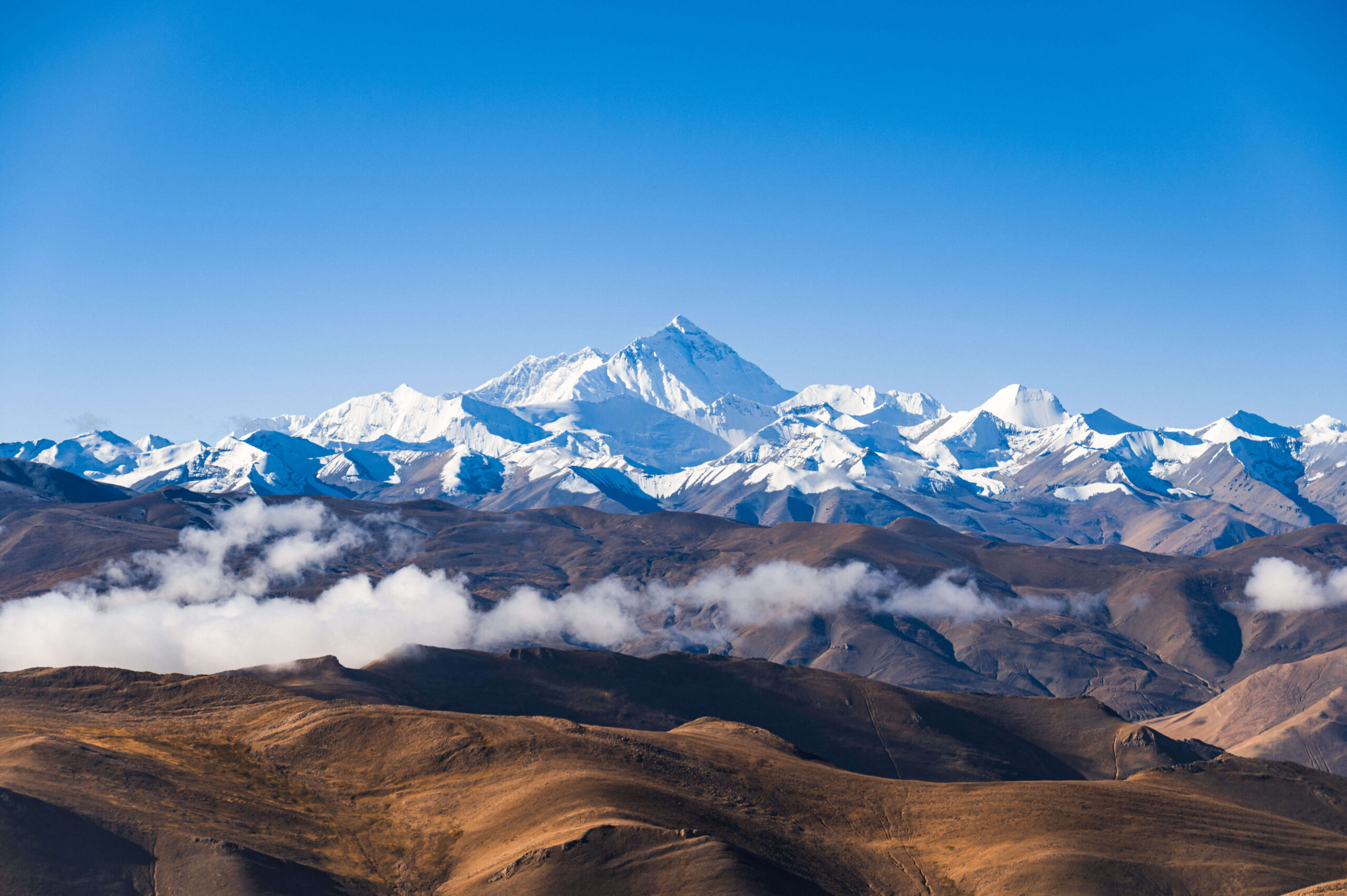
In scientific terms, shilajit is best understood not as a simple ingredient, but as a naturally complex mineral-organic substance shaped by geological environments.
01
A Material Shaped by Natural Processes
Natural substances formed within geological environments often possess a degree of complexity that differs profoundly from materials produced through modern agricultural or industrial methods. Rather than emerging from a single source, these substances are typically the result of many environmental interactions unfolding over extended periods of time.
Shilajit is widely described in this way. Unlike botanical extracts derived from a single plant species, shilajit reflects the interaction between organic matter and mineral-rich geological settings.
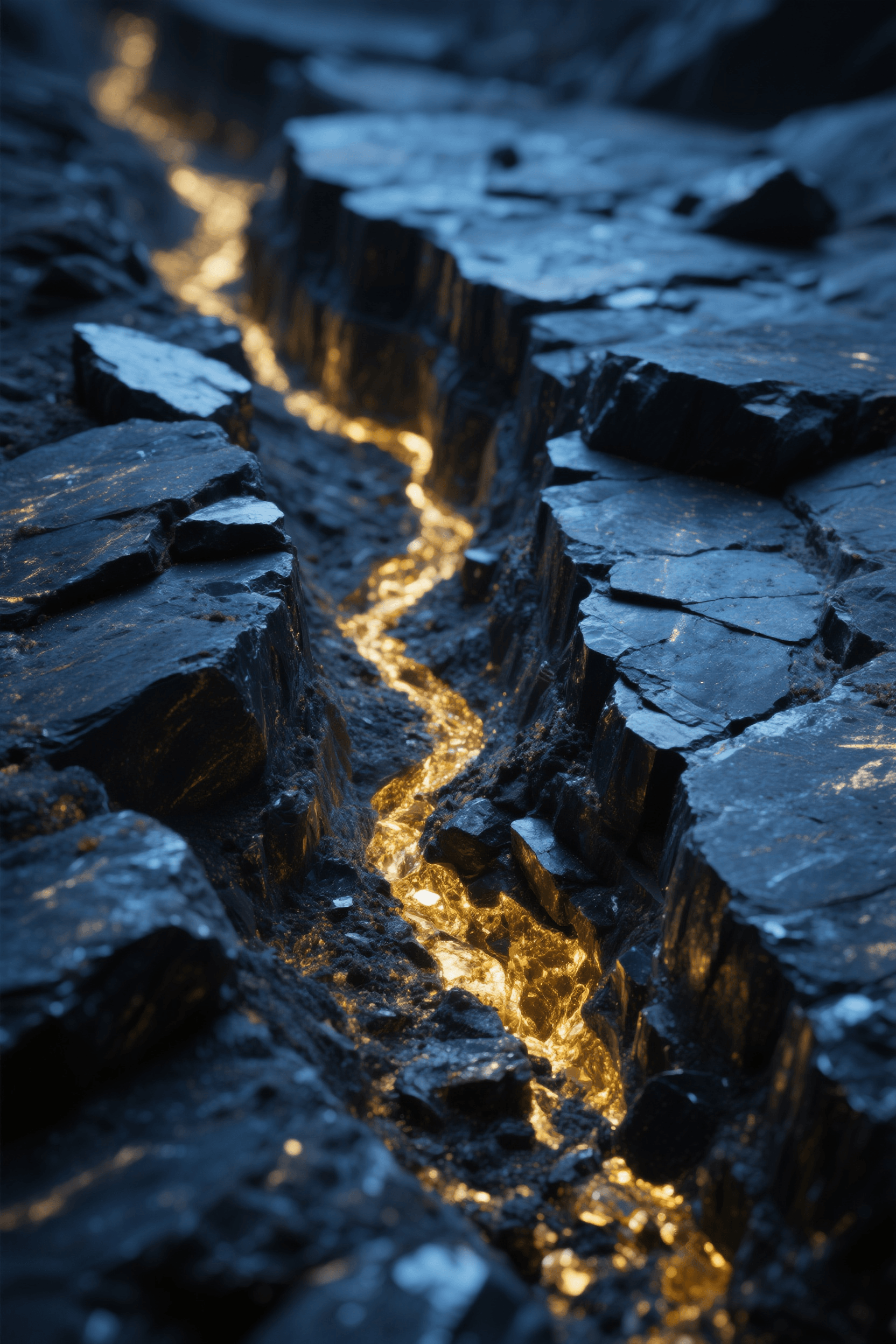
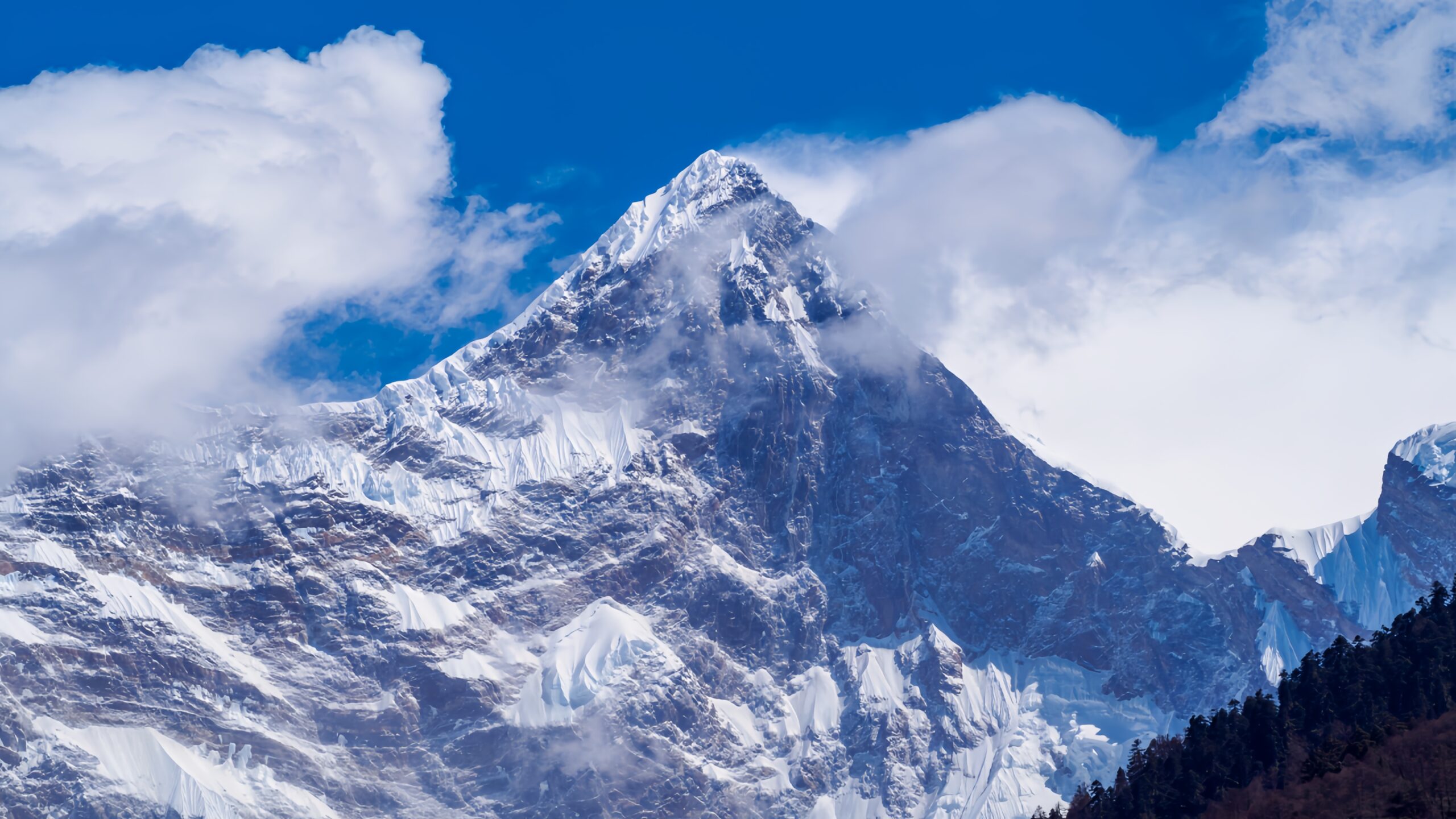
Over long durations, plant residues, microbial matter, and mineral elements become intertwined within mountainous rock formations, gradually contributing to the development of dense natural deposits.
02
Natural Complexity
In the study of natural materials, complexity is often a defining characteristic. Many naturally occurring substances contain multiple classes of compounds and minerals that emerge through environmental transformation rather than controlled formulation.
Shilajit exemplifies this complexity. Rather than being reduced to a single dominant component, it is more accurately understood as a natural matrix containing diverse organic substances and trace minerals.
This complexity is one reason why shilajit has drawn scientific curiosity. It belongs to a category of natural materials that cannot be fully explained by a single ingredient label alone.
03
Mineral Composition
Analytical investigations into natural shilajit samples have identified a range of trace minerals associated with mountain geological environments. These may include magnesium, iron, zinc, calcium, potassium, and other naturally occurring elements.
Such minerals are integral to the geological context in which shilajit forms. They are not added externally, but rather occur as part of the mineral structure of surrounding rock formations.
Within shilajit, these minerals appear as part of a naturally integrated composition, reflecting the long-term interaction between geology and organic transformation.

04
Fulvic Substances and Organic Components
Among the organic compounds frequently associated with shilajit are fulvic substances. These belong to a broader category of naturally derived humic substances formed during the long-term decomposition of plant matter in geological environments.
As plant material breaks down, microbial activity and environmental chemistry transform large organic structures into smaller compounds capable of interacting with minerals in the surrounding earth.
Within shilajit, fulvic substances are therefore understood not as isolated additives, but as part of a broader natural process linking organic transformation with mineral geology.
Authentic Himalayan shilajit is often discussed in relation to naturally occurring fulvic compounds, which are considered part of its broader organic complexity.
05
Environmental Influence and Natural Variability
Another defining characteristic of shilajit is variability. Because it forms naturally in different mountainous ecosystems, its precise composition may differ from one region to another.
This variation is shaped by multiple environmental factors:
This natural variability is consistent with many substances formed through environmental processes rather than standardized cultivation. From a scientific perspective, it reinforces the importance of origin, purification, and responsible characterization.
06
Geological Time
Perhaps the most important element in understanding shilajit is time. Geological processes operate across immense timescales, far beyond the pace of ordinary agricultural production.
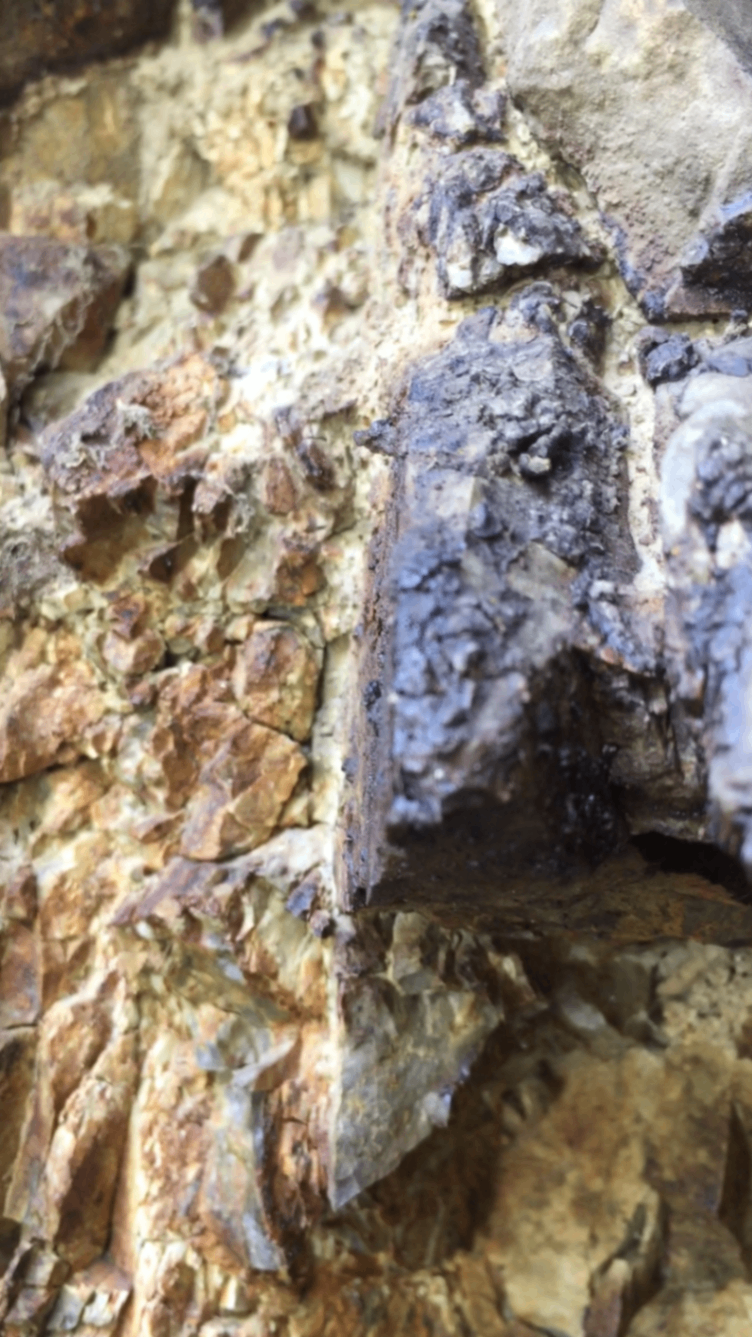
The formation of mountain ranges, the weathering of mineral-rich rock, and the transformation of organic matter within the earth occur gradually across centuries or longer.
In this sense, shilajit may be viewed not merely as a material gathered from nature, but as the outcome of geological and ecological processes unfolding over extended periods of time.
07
Scientific Curiosity and Modern Investigation
Although shilajit has been referenced in traditional systems for centuries, modern scientific interest has focused increasingly on its composition and formation.
Researchers studying natural materials have examined its mineral profile, the structure of associated organic compounds, and the environmental conditions that may influence its development.
These investigations do not reduce shilajit to a single explanation. Rather, they help situate it within a broader scientific understanding of mineral-organic substances shaped by nature.
Conclusion
A Natural Substance Formed Through Time
Ultimately, the scientific significance of shilajit lies in the complexity of its origin. Unlike many modern formulations built around isolated compounds, shilajit represents a material formed through long-term interaction between geology, organic matter, mineral diversity, and environmental change.
To understand shilajit scientifically is to begin with this principle: it is not simply an extract, and not merely a mineral source, but a naturally occurring substance created through time.
Explore Authentic Himalayan Shilajit
Visit the ShopScientific References
Shilajit: A Natural Phytocomplex with Potential Applications.
International Journal of Alzheimer’s Disease.
Shilajit in Perspective.
Journal of Ethnopharmacology.
Biological Activity of Fulvic Acid Components from Shilajit.
Phytotherapy Research.
Fulvic Acid and Mineral Content of Shilajit.
Pharmacognosy Research.
Safety Profile of Purified Shilajit.
Phytotherapy Research.