
Origin
The Origin of Gold Grade Himalayan Shilajit
A rare mineral resin formed through altitude, geology, organic transformation, and time.
Shilajit is one of the most unusual natural substances associated with mountain environments. Unlike ordinary botanical ingredients, it does not come from a single cultivated plant, but is linked to a long interaction between organic material, mineral-rich rock, climate, pressure, and time.
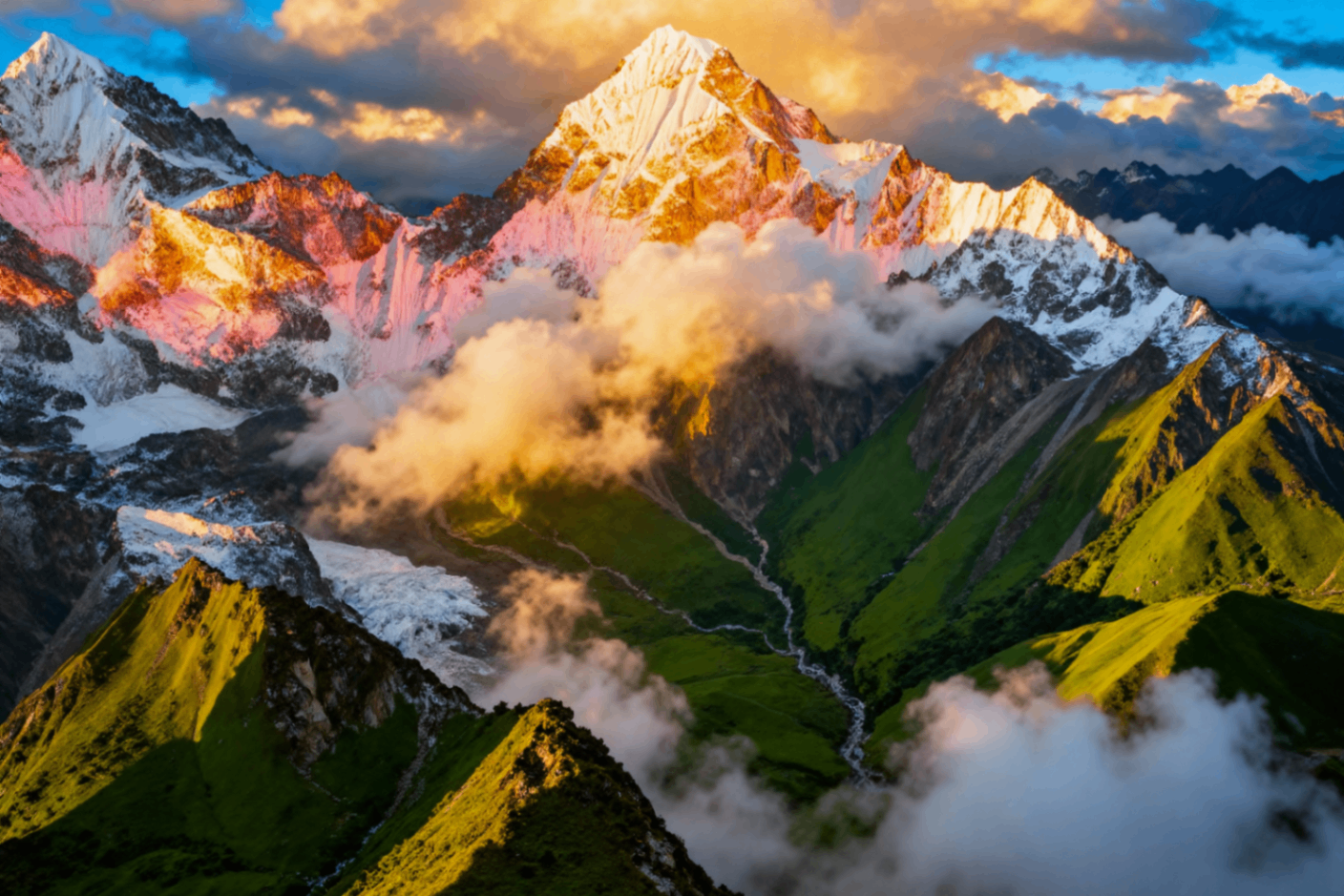
Among the regions historically associated with shilajit, the Himalayas remain the most recognized. Their altitude, geological complexity, and seasonal extremes have made them central to the story of authentic Himalayan shilajit.
01
A Rare Mineral Resin Formed in the Himalayas
Shilajit has long been regarded as a rare natural substance connected to remote mountain terrain. Unlike ingredients that can be cultivated or harvested season after season, it is associated with geological and environmental conditions that unfold over very long periods.
Because of this, authentic Himalayan shilajit is not simply gathered as a raw material. It is the outcome of altitude, mineral-rich rock, organic transformation, and time working together in a landscape that cannot easily be replicated.
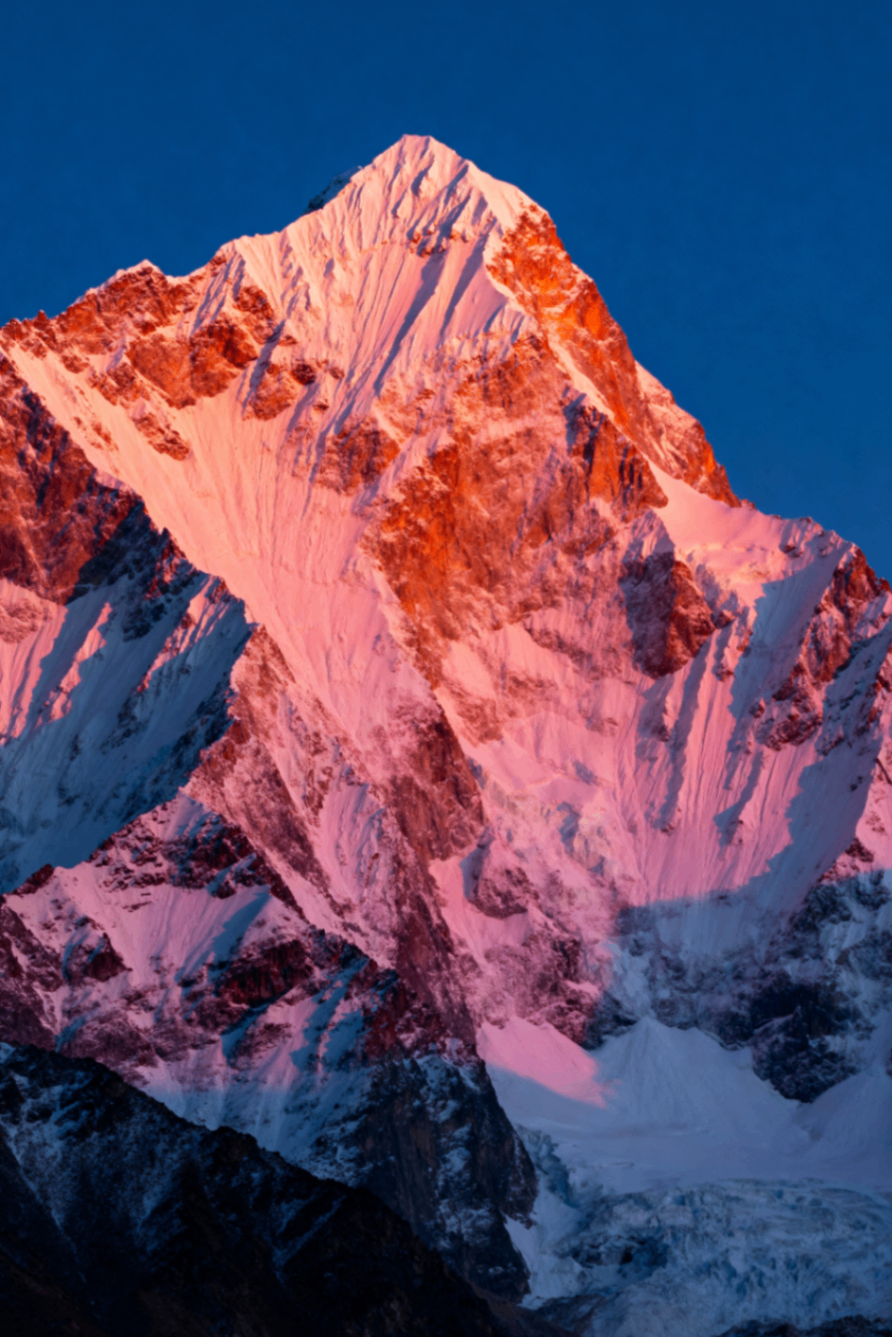
Its origin is inseparable from the mountain environment in which it forms — a substance shaped by geology, climate, and time.
02
How Shilajit Forms in the Himalayas
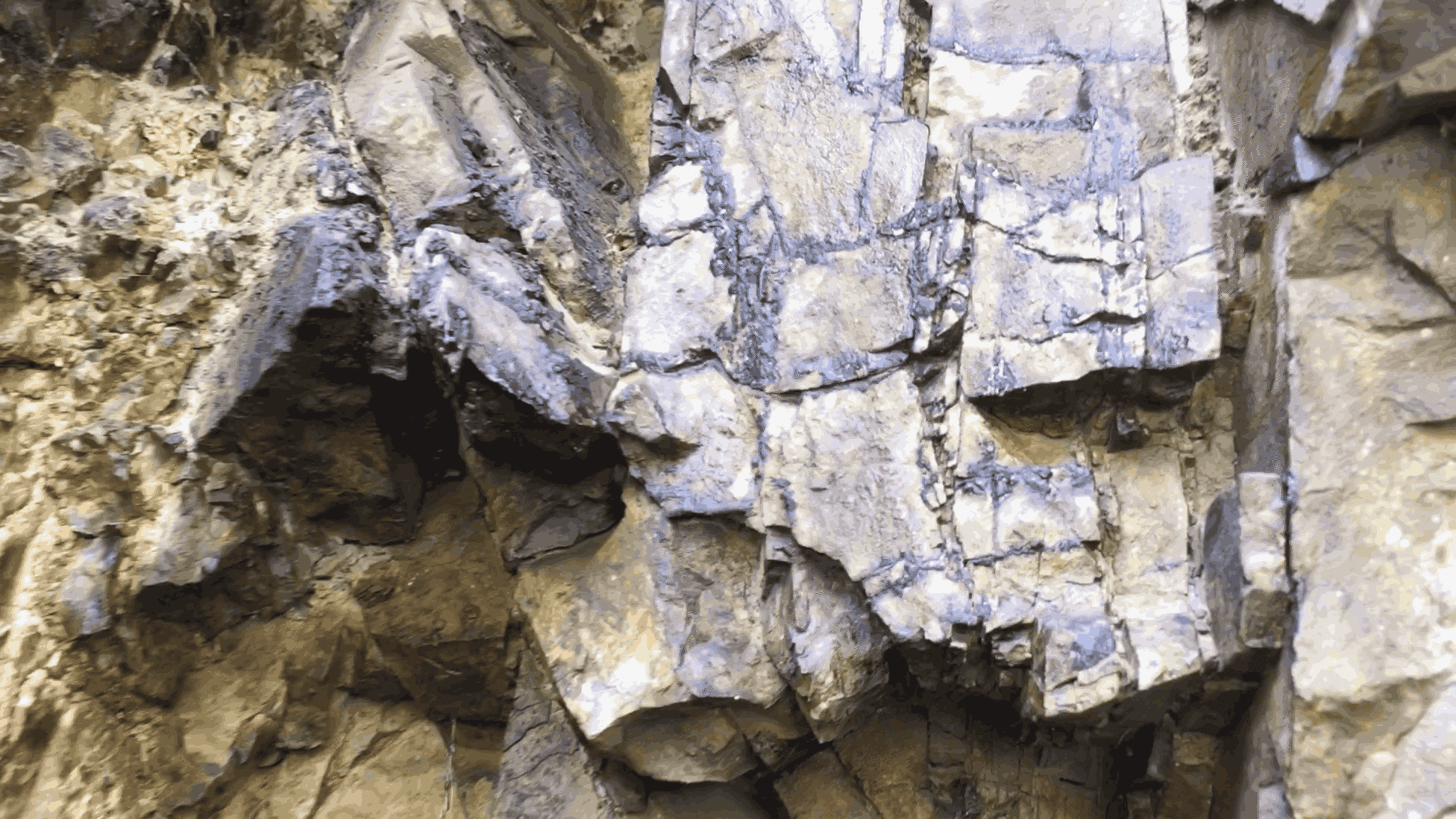
The formation of shilajit is believed to begin with organic material that accumulates within mountainous terrain over long stretches of time. Gradually, this material becomes compressed within mineral-rich rock layers.
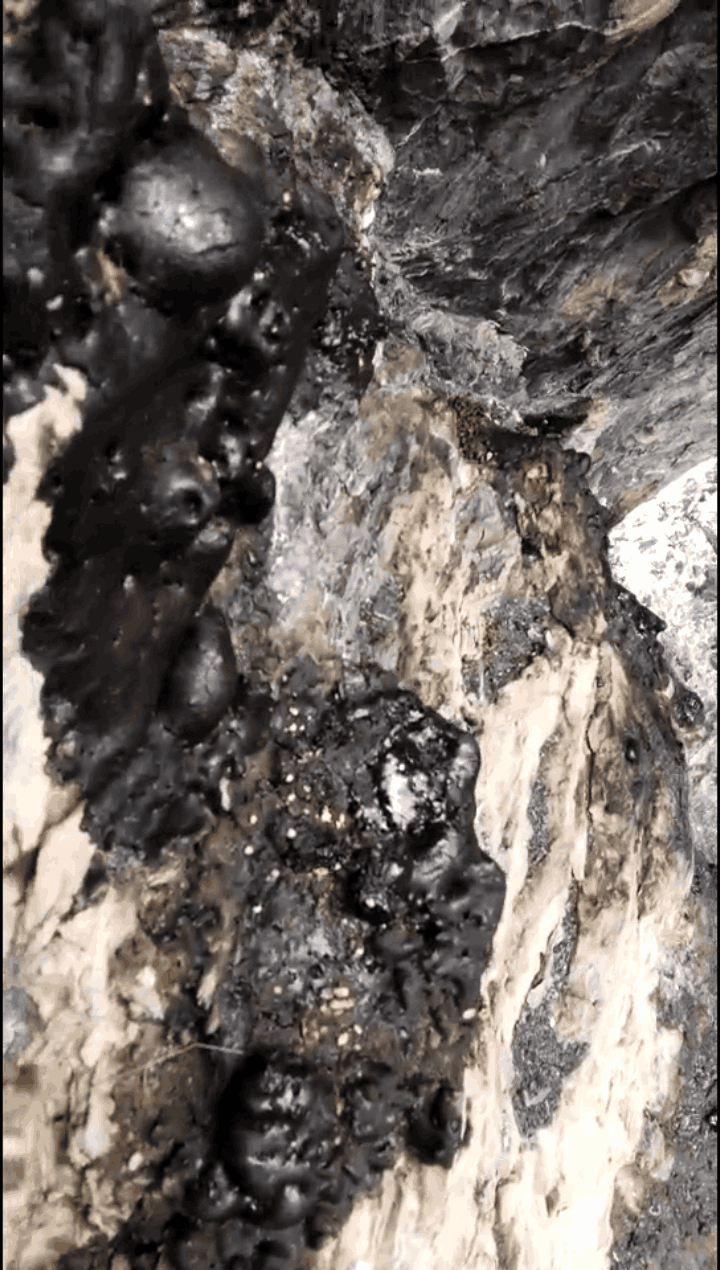
Natural geological pressure, microbial activity, and repeated seasonal fluctuations contribute to a slow transformation. Over time, this process produces a dense, dark, resin-like substance associated with exposed rock surfaces in high-altitude regions.
This is one reason shilajit is often described not as a simple extract, but as a natural material formed through prolonged environmental change.
03
The Importance of High-Altitude Environments
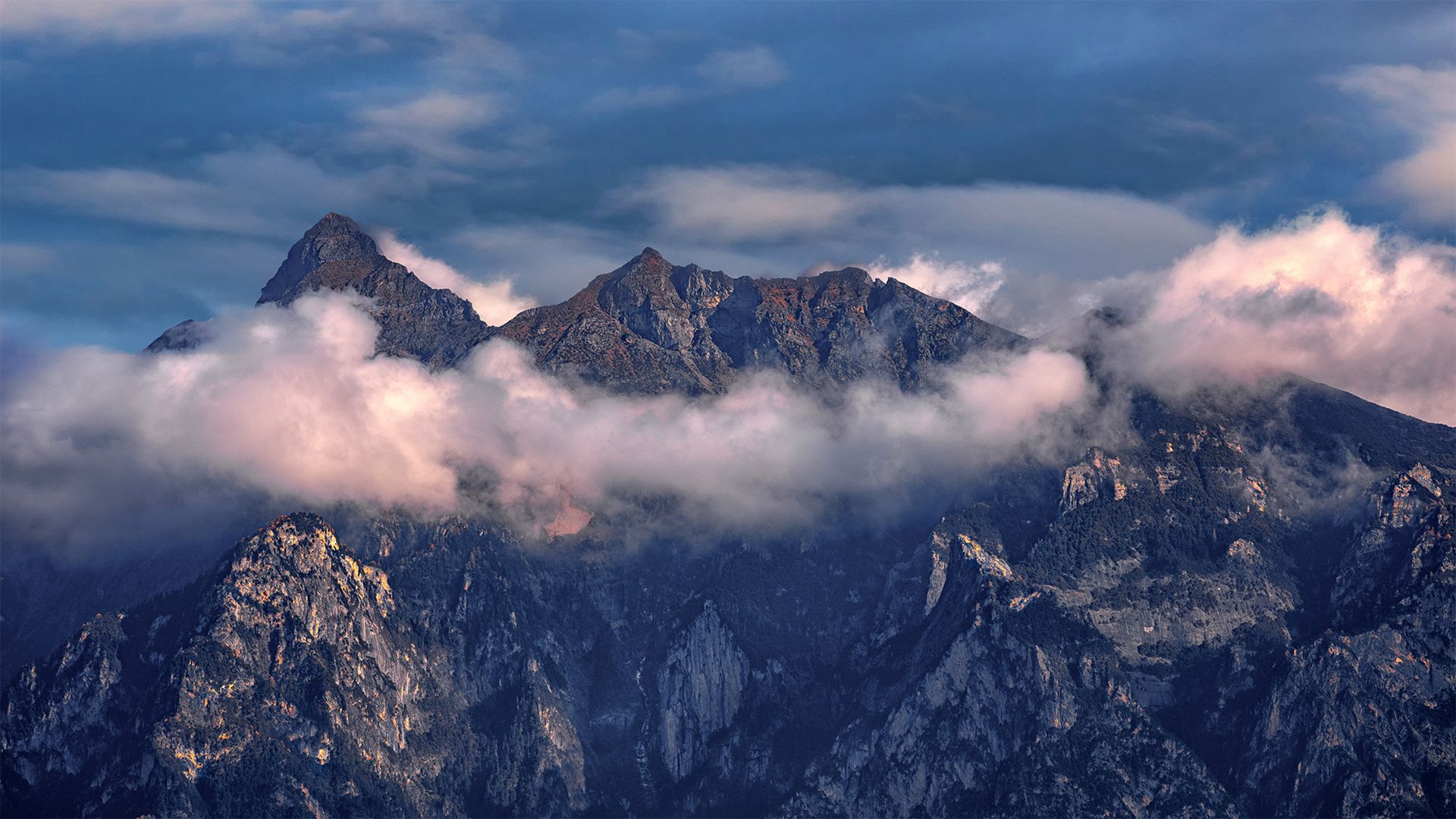
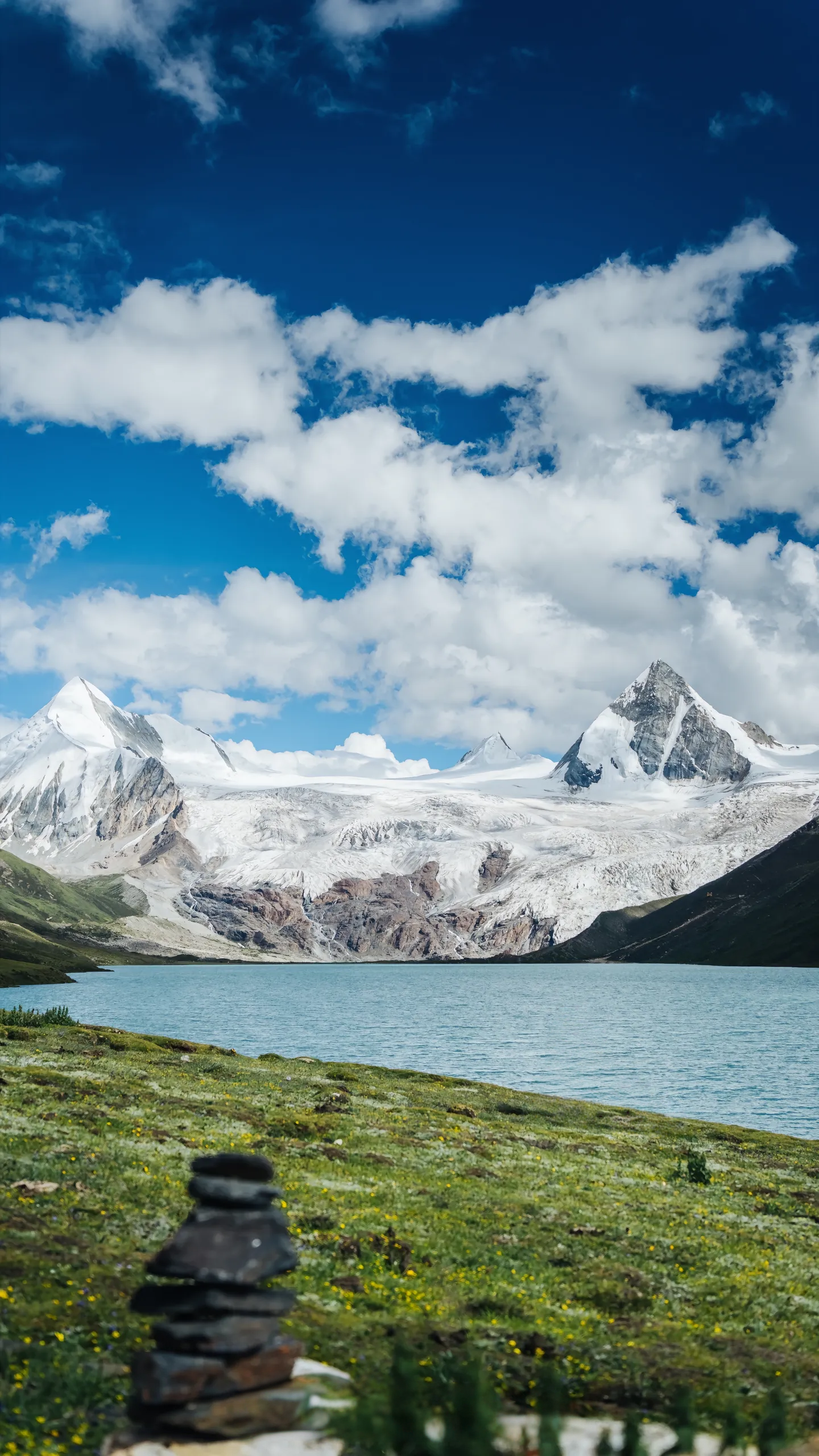
Altitude plays a significant role in the environments where high-quality shilajit is associated. Himalayan conditions are marked by steep terrain, mineral-rich rock formations, low temperatures, and dramatic seasonal shifts.
These factors help create ecosystems unlike those found at lower elevations. This helps explain why authentic shilajit is most strongly connected with major mountain systems and remote high-altitude regions.
04
Organic Transformation
The environments in which shilajit forms are not defined by stone alone. Over long periods of time, plant matter and microbial life contribute to a gradual process of transformation within mountain terrain.
Through this slow natural process, organic compounds and mineral elements become increasingly intertwined. The result is a complex material shaped by both biological and geological forces.
05
Seasonal Emergence
One of the characteristics most often associated with shilajit is its seasonal appearance in mountain environments. During warmer periods, exposed rock faces may release small amounts of resin-like material from natural fissures.
This seasonal emergence has long contributed to the unique identity of shilajit and reinforces its close relationship with altitude, temperature, and natural geological rhythm.
06
Rarity in Nature
Natural substances formed through long geological processes are rarely abundant. Unlike agricultural crops, they depend on a rare convergence of environment, mineral structure, time, and stability.
Because these conditions occur only in limited places, authentic shilajit remains uncommon. Its rarity is one of the reasons it continues to hold such significance in discussions of natural mountain-derived substances.
07
Difficult Harvest, Limited Availability
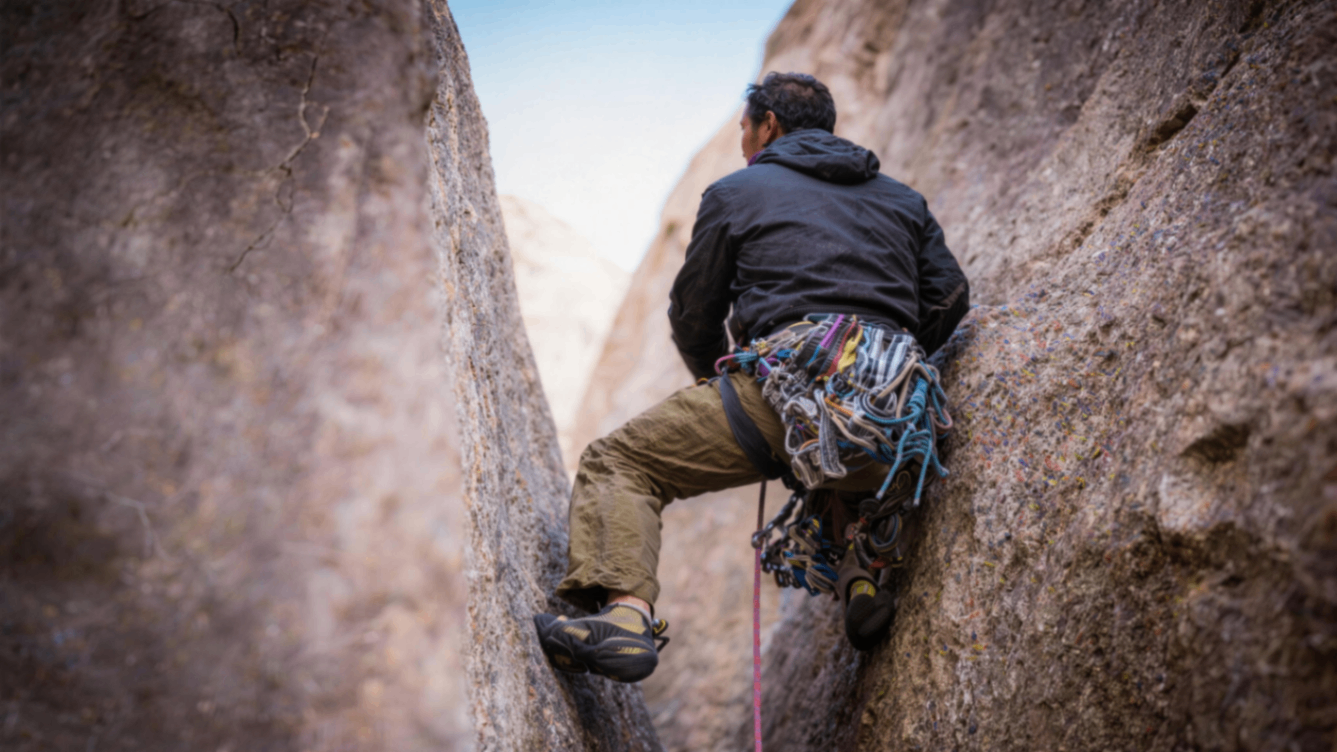
Harvesting shilajit is inherently difficult. The material appears only in small amounts and often in locations that are remote, elevated, and physically demanding to access.
Unlike cultivated botanicals, it cannot be produced in predictable agricultural cycles. This means supply is naturally limited, and availability depends on geography, season, and the realities of mountain collection.
08
The Natural Composition of Shilajit
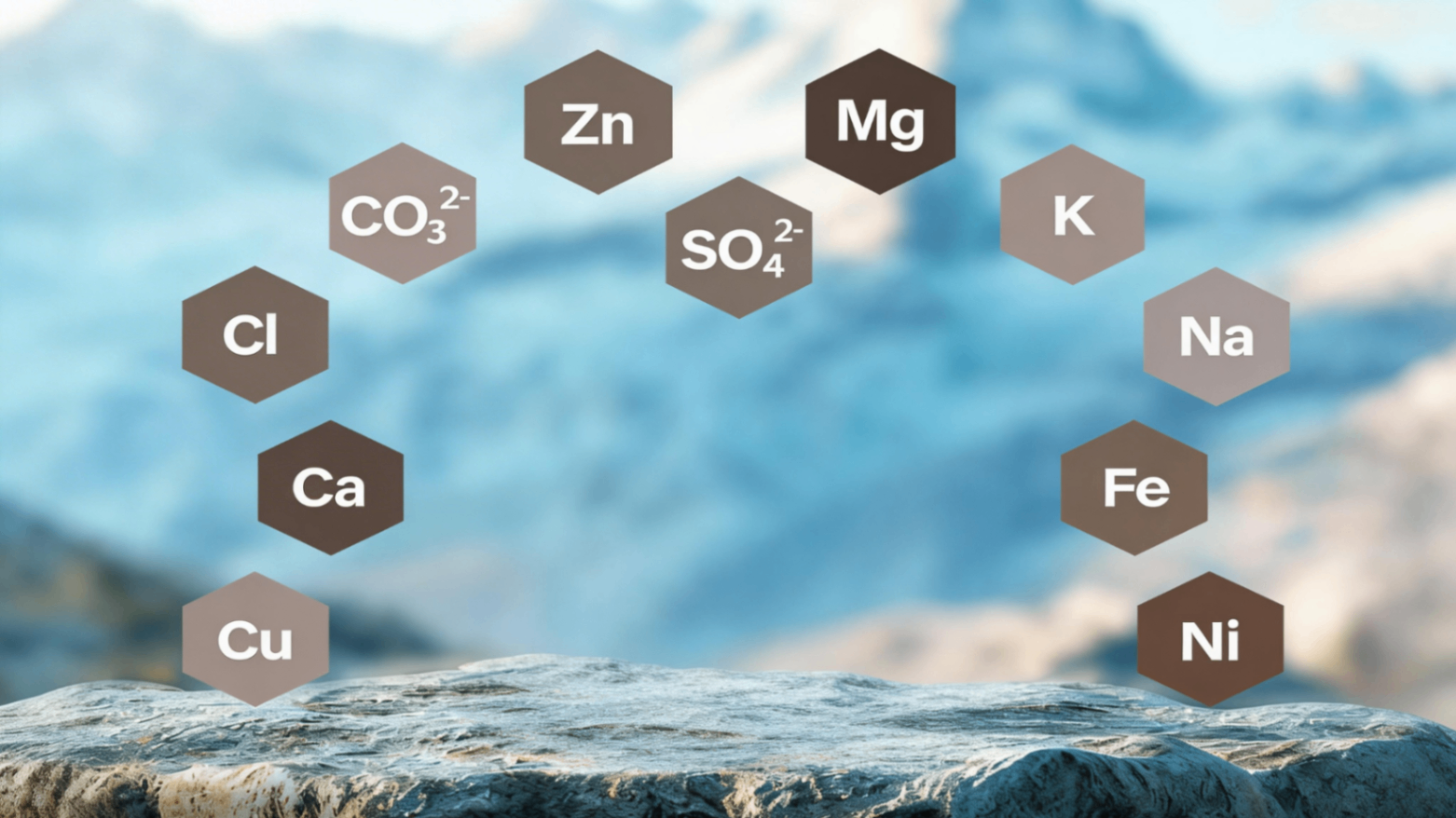
One of the defining characteristics of shilajit is its complexity. Rather than being a single isolated ingredient, it is a naturally occurring material that may contain a broad range of mineral and organic components.
Its exact composition can vary depending on the region, environmental conditions, and geological setting in which it forms. This variability is part of what makes authentic shilajit distinct in nature.
09
A Natural Substance Shaped by Time
In many ways, shilajit represents the interaction between nature, geology, and time. Formed slowly within mountain rock layers, it is a material whose rarity and significance are inseparable from the environments in which it emerges.
While modern interest continues to grow, its origin remains rooted in remote high-altitude landscapes — among the mountains where the story of authentic Himalayan shilajit begins.
Explore Authentic Himalayan Shilajit
Discover the collection inspired by origin, altitude, rarity, and natural mineral complexity.