
The Human Relationship with Natural Substances
A long relationship shaped by landscape, minerals, ritual, balance, and the enduring presence of nature in human life.

01
A Long Tradition of Natural Materials
Throughout human history, societies have looked to the natural world for materials that reflect the environments in which they form. Mountains, forests, oceans, and deserts each contain substances shaped by unique ecological and geological conditions.
Among these environments, mountainous landscapes have often attracted particular attention. Their altitude, climate, and geological complexity create conditions where natural materials develop slowly over long periods of time.
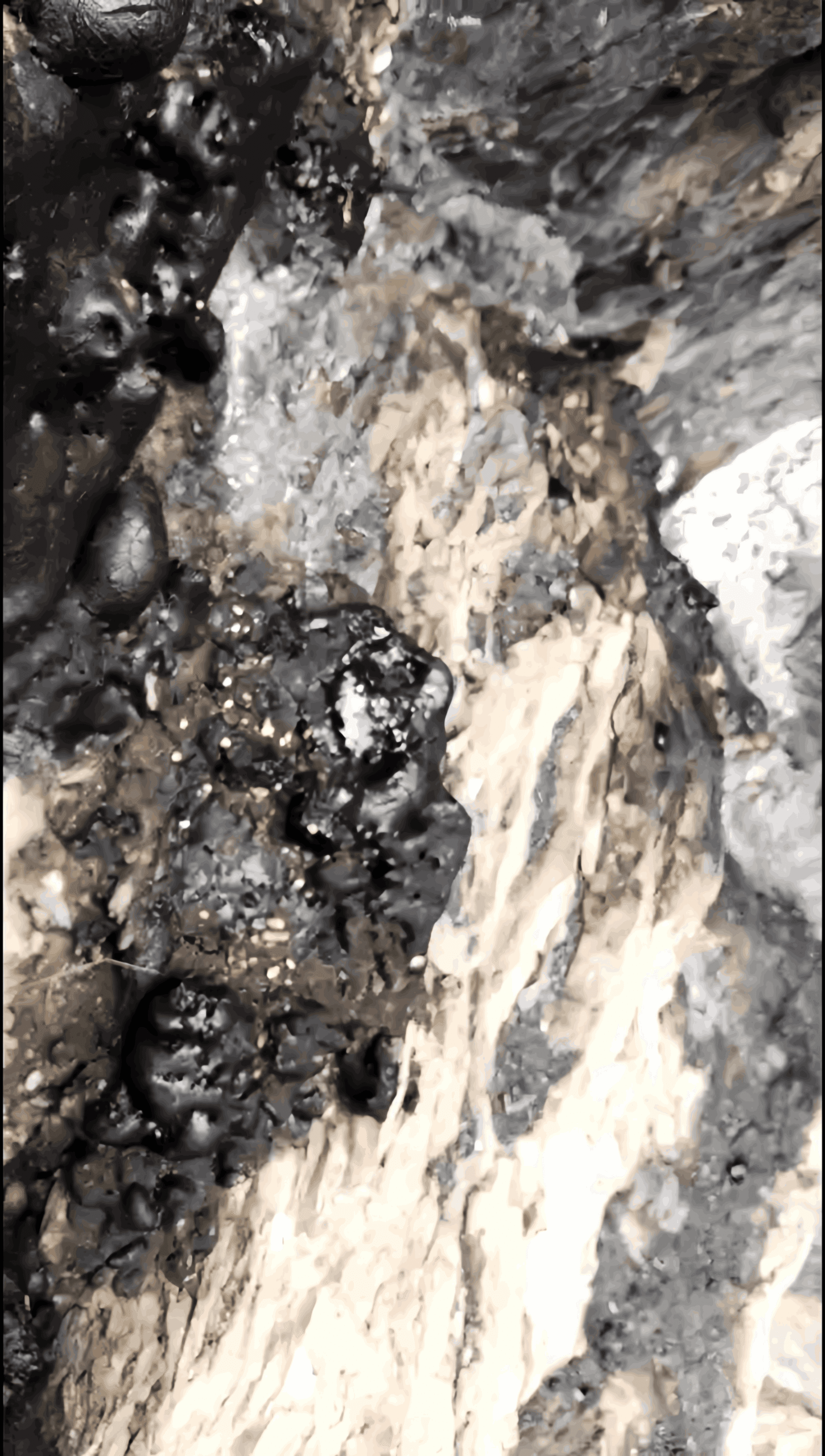
Shilajit has long been associated with such environments. Emerging from rock formations in high mountain regions, it represents a substance shaped by geological processes that unfold gradually within the earth.
For many cultures living near these landscapes, materials originating from mountains were historically regarded as rare expressions of the natural world.
In modern perspectives, interest in such substances continues not only because of their composition, but also because they represent a connection between human life and the environments that surround it.
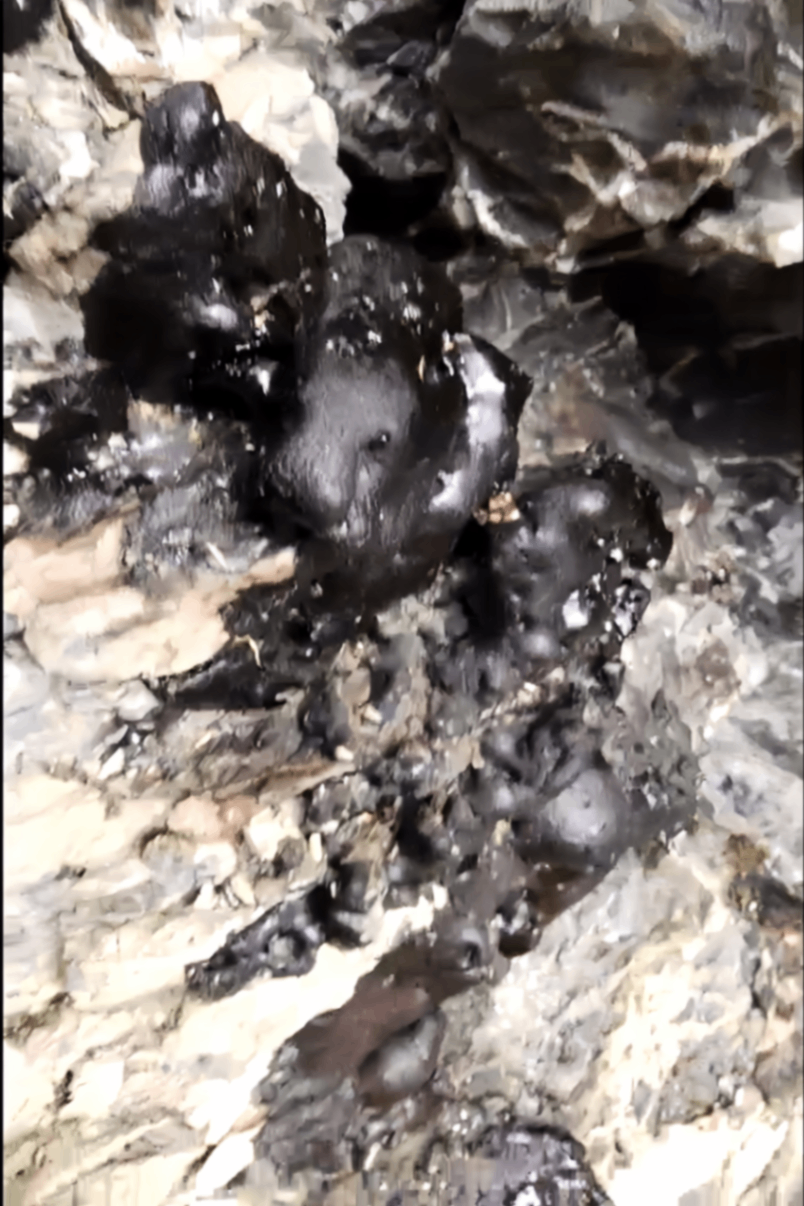
Nature is not merely a source of ingredients. It is also a record of time, pressure, environment, and transformation.
02
Mineral Diversity and Human Nutrition
Minerals are among the most fundamental components of biological systems.
Within the human body, minerals participate in numerous structural and metabolic processes. They contribute to the formation of bones and tissues, support enzymatic activity, and help maintain the balance of physiological functions that sustain life.
Because minerals cannot be synthesized by the body itself, they must be obtained from external sources such as food and natural materials present in the environment.
Many natural substances contain trace minerals that originate from the geological conditions in which they form.
Shilajit is one such material that has been studied for its mineral diversity. Analytical examinations of natural samples have identified the presence of various trace elements commonly found in mountain rock formations.
These elements are part of the broader mineral cycles that occur throughout ecosystems. As rocks weather and sediments form, minerals become integrated into soils, plants, and other components of the natural environment.

03
Energy and Vitality in Natural Systems
The concept of vitality has long been associated with natural environments.
In ecological systems, energy flows continuously through interactions between organisms, landscapes, and environmental conditions. Plants convert sunlight into chemical energy, microorganisms transform organic material, and ecosystems maintain dynamic balances that support life.
Human interest in vitality often mirrors these natural processes.
Throughout history, many cultures have viewed substances originating from extreme environments — such as mountains — as symbolic of endurance and resilience. These landscapes are shaped by powerful natural forces and long geological timescales, making them enduring symbols of strength and stability.
Within contemporary wellness culture, vitality is frequently understood as a state of balance in which the body’s natural systems function harmoniously.
Rather than focusing solely on individual ingredients, modern perspectives often emphasize the relationship between lifestyle, environment, and long-term well-being.
Natural substances that emerge from unique ecosystems are sometimes appreciated within this broader context.

04
Balance and Adaptation
Living systems constantly respond to changing environmental conditions.
Plants, animals, and microorganisms all develop mechanisms that allow them to adapt to variations in climate, altitude, and available resources. These processes of adaptation help maintain equilibrium within complex ecological systems.
Human physiology also relies on systems that regulate internal balance.
Nutrition, physical activity, rest, and environmental exposure all contribute to maintaining stability within the body’s biological processes.
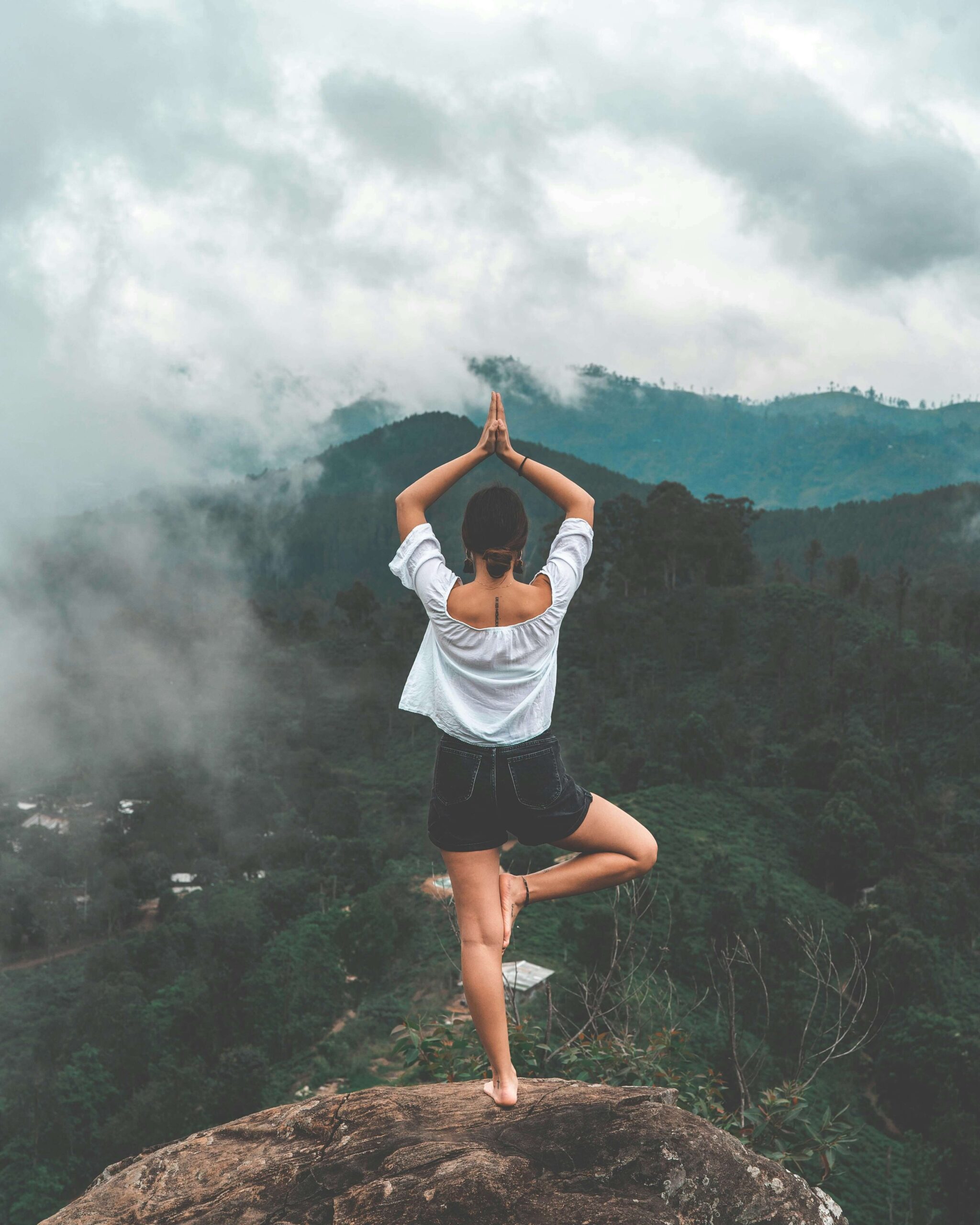
For many individuals, interest in natural materials reflects a broader desire to reconnect with environmental rhythms that have historically shaped human life.
Rather than viewing wellness as a single outcome, this perspective considers it a dynamic process influenced by multiple factors including environment, nutrition, and daily habits.
05
Daily Rituals and Modern Life
In contemporary society, daily routines play an important role in shaping long-term well-being.
Morning practices, moments of reflection, and mindful habits can influence how individuals experience their connection with the natural world.
Within this context, the idea of a daily ritual has become a meaningful way for people to integrate natural practices into modern life.
Rather than focusing solely on isolated ingredients or immediate effects, rituals emphasize consistency and awareness in everyday routines.
Natural materials associated with particular environments often carry symbolic significance within such practices.
A substance formed through long geological processes may serve as a reminder of the relationship between human life and the natural forces that shape the world over extended periods of time.
06
Natural Substances in Contemporary Wellness
In recent years, interest in natural materials has grown alongside broader conversations about sustainability, environmental awareness, and holistic approaches to health.
Many individuals now seek to understand not only the ingredients they consume but also the environmental origins of those materials.
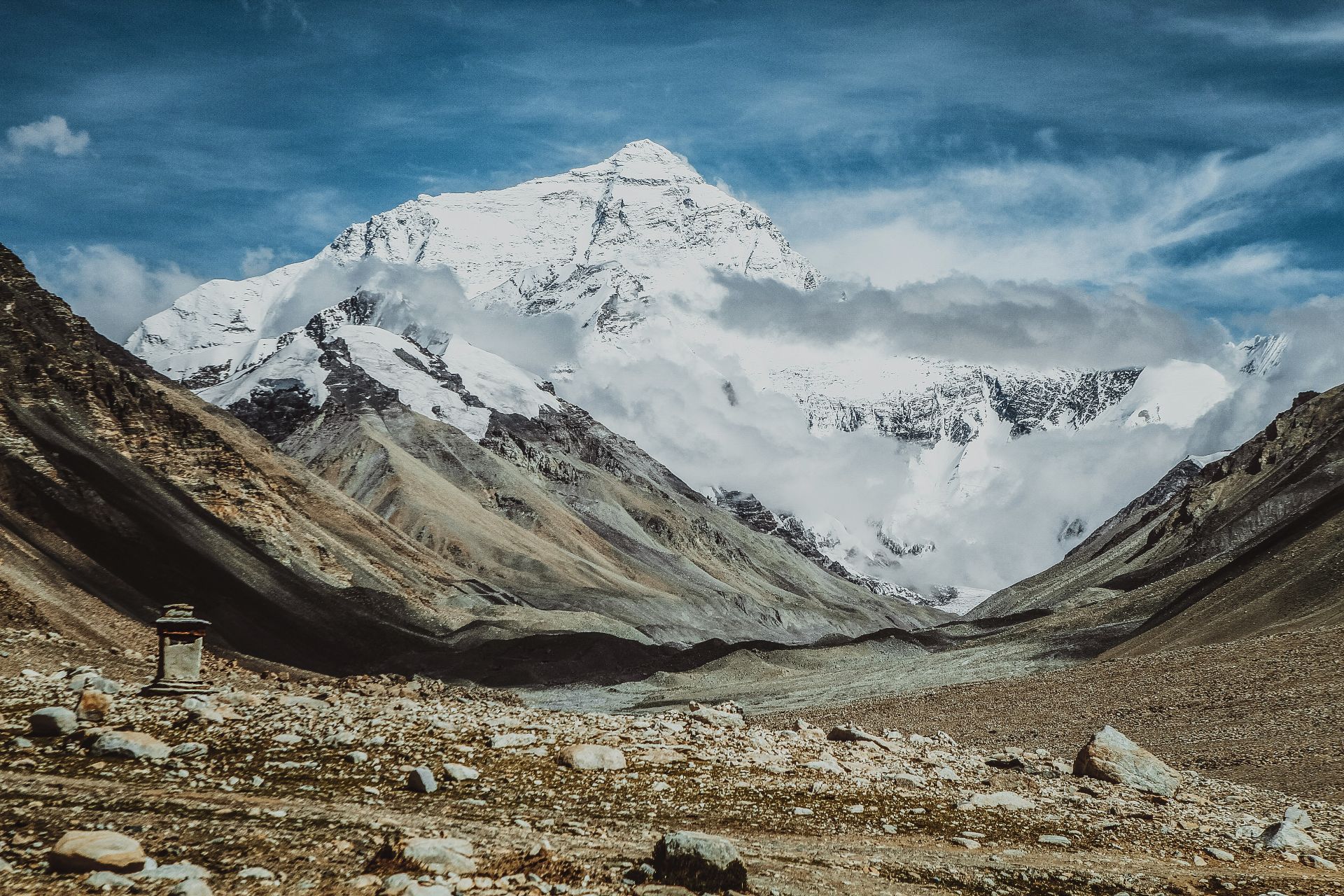
Substances associated with specific landscapes — whether forests, oceans, or mountains — often carry a narrative that connects them to the ecosystems from which they originate.
Shilajit is one example of a material whose identity is closely tied to its environment.
Its association with mountain ecosystems reflects geological and ecological processes that occur over long periods of time.
For some individuals, engaging with such materials represents a way of acknowledging the relationship between human life and the natural world.
Rather than existing in isolation, human well-being is deeply connected to environmental systems that sustain biological and ecological balance.
07
A Reflection of Landscape and Time
Ultimately, the significance of natural substances cannot be understood solely through the analysis of individual components.
Their value also lies in the environmental histories they represent.
Materials shaped by mountains, forests, and oceans reflect the landscapes in which they form and the processes that unfold within those environments.
Shilajit represents one such material.
Its presence in mountain ecosystems reflects centuries of interaction between geology, climate, and organic life.
To consider such substances is therefore to reflect on the broader relationship between humans and the natural world.
They remind us that many of the materials we encounter are not merely products of modern industry, but expressions of environmental processes that have shaped the earth long before human history began.